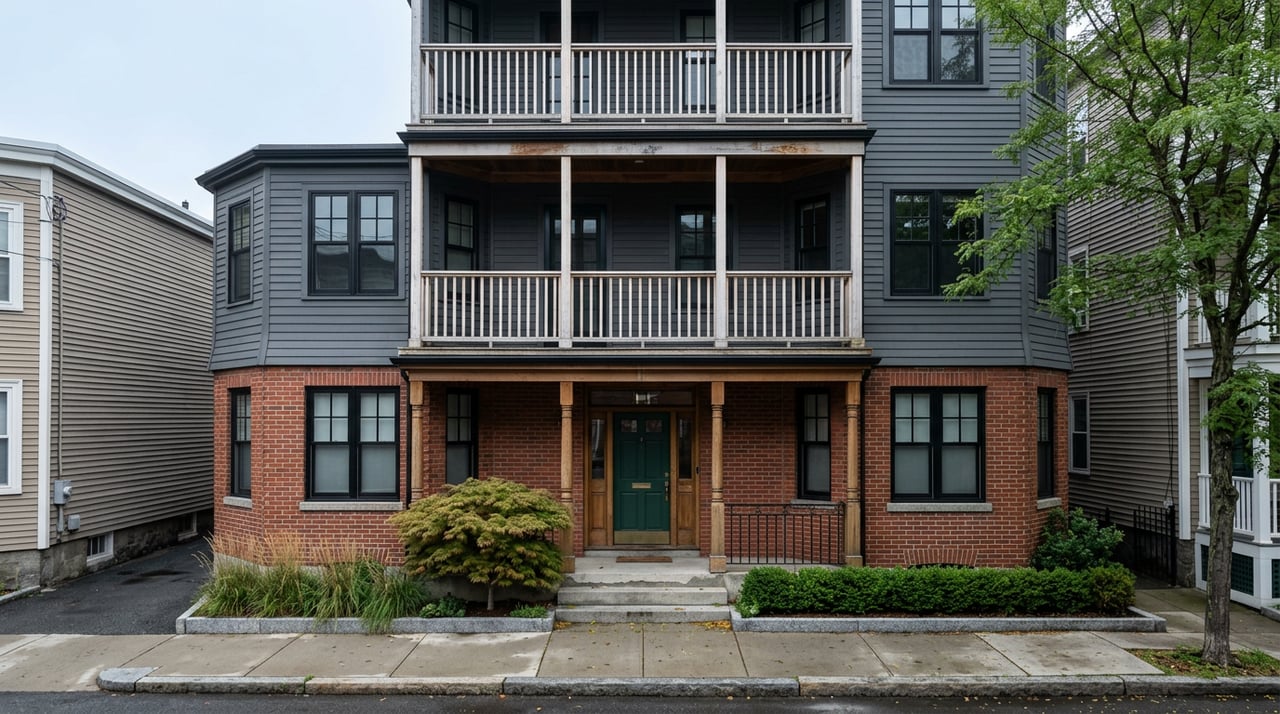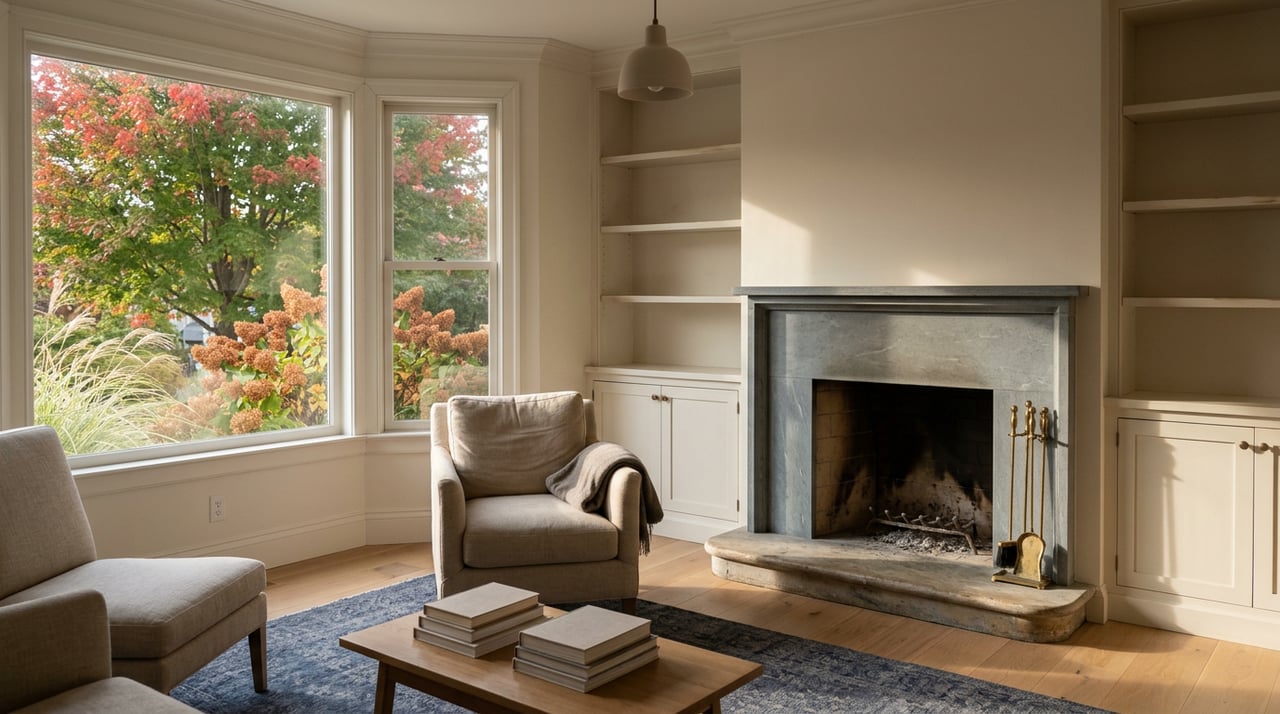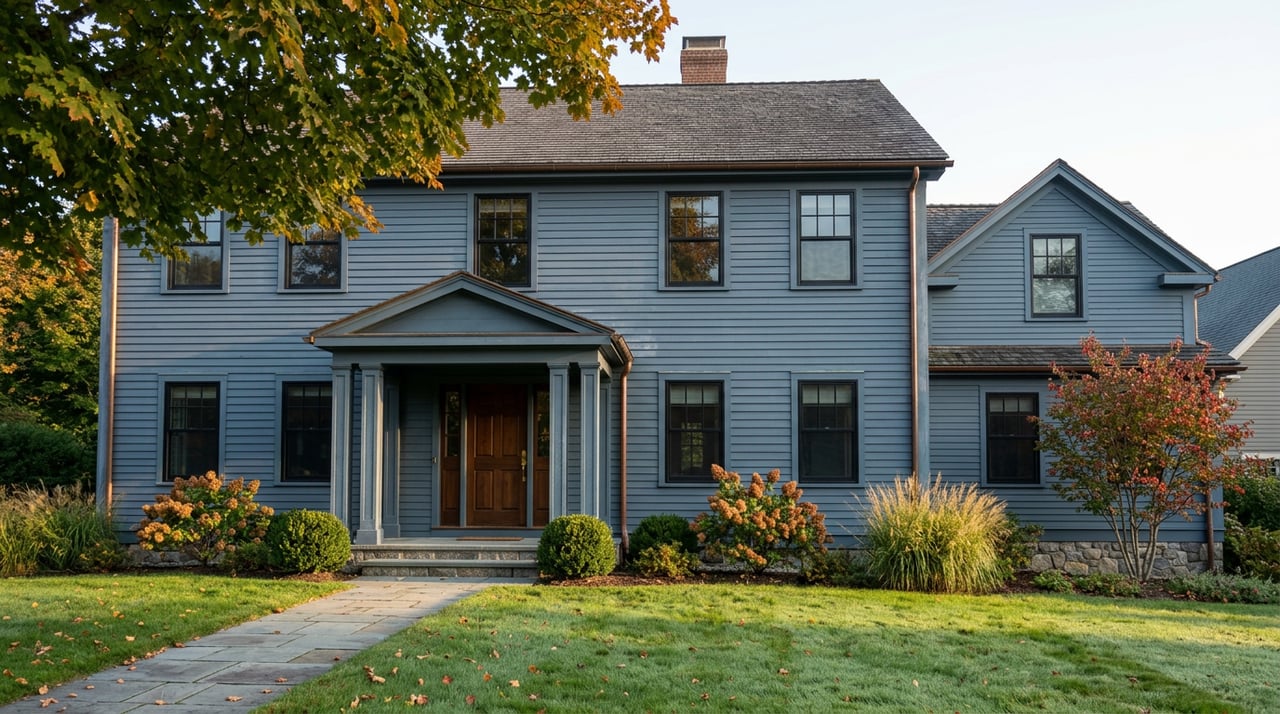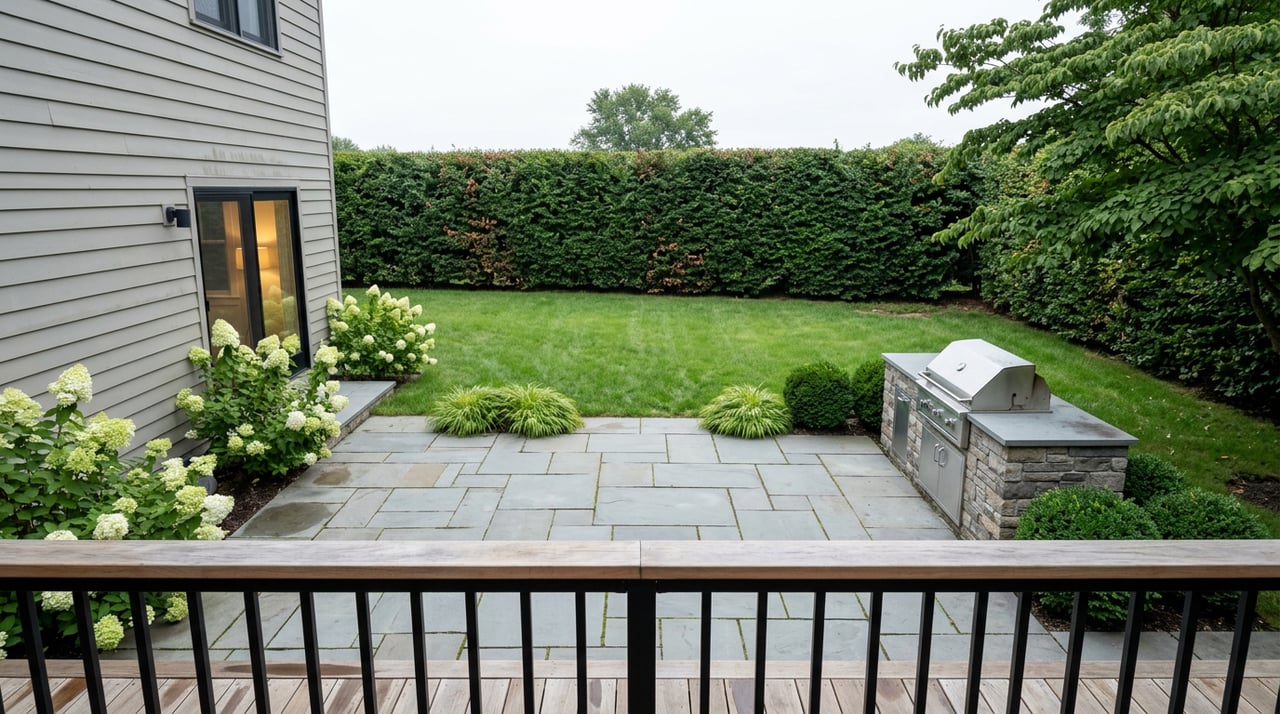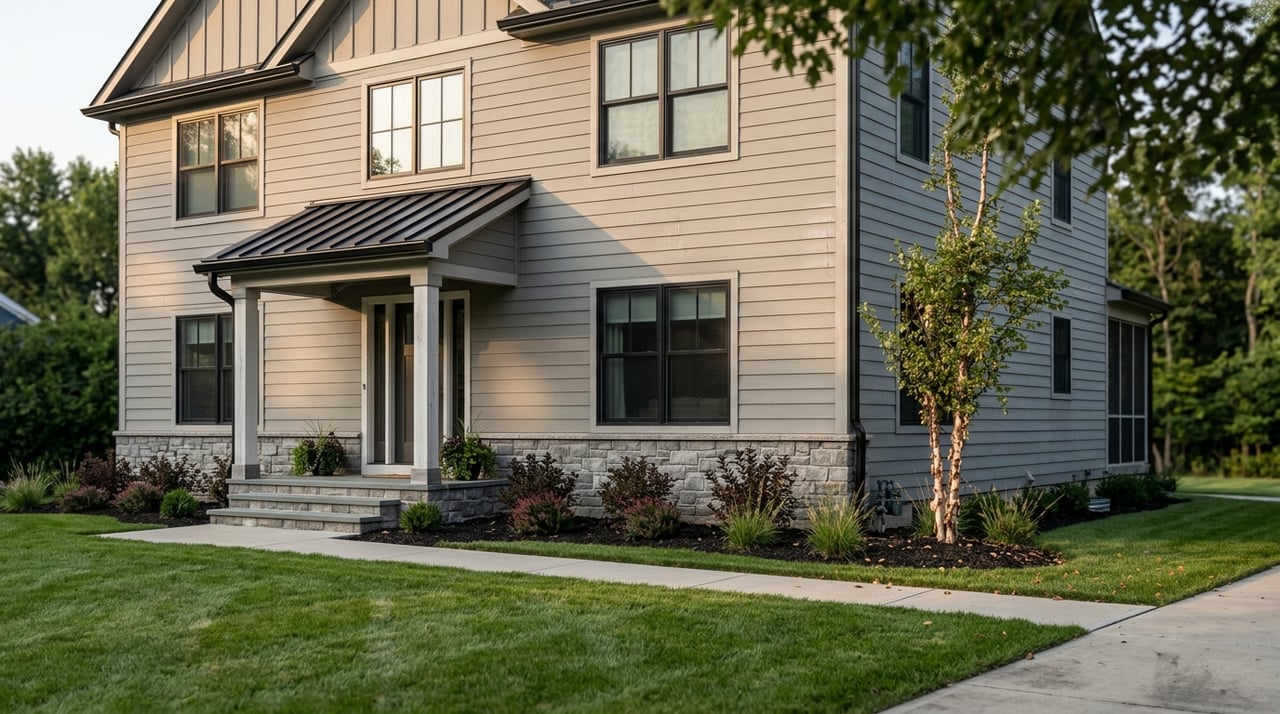
If you are shopping for a luxury home in Winchester, it is easy to focus on finishes, lot size, and location details before you lock in the one number that matters most: your real budget. In a fast-moving market where homes can go pending quickly and competition is common, a vague price target can put you in a tough spot. A clear budget plan helps you move with confidence, protect your cash position, and make stronger decisions when the right home appears. Let’s dive in.
Why budgeting matters in Winchester
Winchester is a high-value market, and the pace still favors prepared buyers. As of spring 2026, Zillow reported an average home value of about $1,575,917, with homes going pending in around 8 days and 53 active listings. Redfin and Realtor.com showed slightly different timing, but the overall message was the same: this is a competitive seller-leaning market where speed and clarity matter.
That matters even more in the luxury segment because one townwide number does not tell the full story. Realtor.com’s March 2026 data showed a median listing price around $1.30 million in Winchester Town Center, about $1.795 million on the West Side, $2.749 million in Wedgemere, and $2.965 million in The Flats. If you are targeting a specific part of town, your budget needs to match that micro-market, not just the Winchester average.
Start with three budget limits
In Winchester, a disciplined plan should start with three hard numbers. This approach keeps you grounded when inventory is tight and multiple offers are in play. It also helps you separate what you can buy from what you will feel comfortable owning.
Set your purchase price ceiling
Your purchase price ceiling is the maximum number you are willing to pay, even in a competitive situation. In a market where some hot homes can sell above list price, this number should include room for strategy without pushing you into regret later. If your ceiling is not clear before touring, it is much easier to stretch too far in the moment.
Set your monthly payment ceiling
The Consumer Financial Protection Bureau advises buyers to budget around the total monthly housing payment, not just the price tag. That means you should account for principal, interest, property taxes, insurance, and any other regular ownership costs. This monthly number is often the best reality check when a home looks appealing but the carrying cost says otherwise.
Set a post-closing cash reserve target
Your budget is not complete if every available dollar goes into the purchase. In a luxury market, lender reserve expectations may be important, especially for near-jumbo or jumbo financing. Beyond lender requirements, having liquidity after closing gives you room for maintenance, moving expenses, and the normal surprises that come with homeownership.
Know when Winchester becomes a jumbo market
For 2026, the FHFA conforming loan limit for a one-unit property in Middlesex County is $962,550. Since Winchester’s median listing prices often sit well above that level, many buyers in town will either need jumbo financing or a significantly larger down payment. That is one of the biggest reasons early lender coordination matters here.
If you are shopping near or above the town’s median list price, do not assume a standard financing structure will fit. Confirm your loan type, reserve expectations, and timing before you start writing offers. In a competitive market, financing certainty can matter almost as much as price.
Build the real cost of ownership
A smart Winchester budget goes beyond down payment math. Fannie Mae notes that buyers should plan for taxes, government fees, insurance, maintenance, and other ownership costs. In a high-cost town, these line items add up fast.
Using Realtor.com’s March 2026 median listing price for ZIP code 01890, about $1,849,450, here is what the math can look like before you ever move in.
Down payment example
A 20% down payment on a $1,849,450 purchase is about $369,890. That is a substantial amount on its own, but it is only one part of the total cash needed. Buyers who focus only on this number often underestimate how much they need to close comfortably.
Closing costs example
The CFPB notes that closing costs often run about 2% to 5% of the purchase price, excluding the down payment. On a $1,849,450 home, that works out to roughly $36,989 to $92,473. Depending on your financing and transaction details, that range can materially affect how much liquidity you keep after closing.
Property tax example
Winchester’s FY2026 residential tax rate is $11.08 per $1,000. On a $1,849,450 home, that implies annual property taxes of about $20,492, or roughly $1,708 per month, before exemptions or other adjustments. That is a major recurring cost, and it needs to be part of your monthly limit from day one.
Mortgage payment example
At Freddie Mac’s average 30-year fixed rate of 6.48% on June 4, 2026, a loan amount of $1,479,560 would be about $9,332 per month in principal and interest. Once you add the estimated property tax amount, you are already above $11,000 per month before homeowners insurance, maintenance, or any HOA expense. That is why sticker price alone can be misleading in Winchester.
Do not overlook local transaction costs
Massachusetts has costs that buyers should factor in early, not at the end. The state deeds excise is $2.28 per $500 of consideration, which is about 0.456% outside Barnstable County. On a $1,849,450 purchase, that is about $8,433.
Winchester also began a Community Preservation Act surcharge in FY2026. It is funded by an additional 1.5% excise on the annual tax levy on real property, with a residential exemption on the first $100,000 of value. These costs may not be the first numbers you think about when touring homes, but they belong in a disciplined budget plan.
Plan for competition before it happens
In Winchester, budgeting is also an offer strategy exercise. Redfin reported that many homes receive multiple offers, and some hot homes can go pending in around 14 days and sell for about 6% above list price. Realtor.com’s seller’s-market classification supports the same takeaway: strong homes can attract fast action.
That does not mean you should automatically bid aggressively on every listing. It means you should decide in advance how much competition you are willing to absorb. A clear ceiling lets you act quickly without abandoning your plan.
Test your budget by neighborhood
Because Winchester pricing changes sharply by area, your budget should be stress-tested against where you want to buy. A budget that works in Winchester Town Center may not align with what is available in Wedgemere or The Flats. Looking at neighborhood-level pricing is one of the best ways to avoid wasting time on homes that do not fit your actual numbers.
Decide your comfort with bidding pressure
Some buyers are comfortable pursuing homes that may sell above asking. Others prefer to stay in a range where they can compete without stretching. Neither approach is right or wrong, but you should know which camp you are in before the offer deadline shows up.
Prepare your financing early
When prices regularly exceed the conforming limit, lender preparation becomes a practical advantage. Confirm how your financing will be viewed, what reserves may be expected, and how quickly you can move. In a market like Winchester, that kind of preparation helps you stay calm and credible.
Remember that taxes may not map neatly to price
One detail many buyers miss is that Winchester property is reassessed on a three-year cycle, with interim adjustments in off years. That means assessed value and purchase price do not always line up neatly. If you are trying to forecast your carrying cost, it is smarter to think carefully about the current tax structure rather than assume a simple one-to-one relationship from your offer price.
This is another reason a clear monthly budget matters more than a headline purchase number. The home you can technically buy is not always the home you will enjoy owning. A disciplined plan keeps the focus on long-term comfort, not just winning the deal.
A simple Winchester luxury budget checklist
Before you start serious touring, make sure you can answer these questions clearly:
- What is your hard purchase-price ceiling?
- What is your hard monthly payment ceiling?
- How much cash do you want to keep after closing?
- Will your financing likely be conforming or jumbo?
- How much are you planning for closing costs?
- Have you estimated property taxes, insurance, and maintenance?
- Are you targeting one Winchester area or several different price bands?
- How aggressive are you willing to be if a home gets multiple offers?
If any of those answers are still fuzzy, it is worth tightening the plan before you get too far into the search. In Winchester, preparation is not just helpful. It is often what keeps a good opportunity from turning into a stressful one.
A luxury home purchase should feel exciting, but it should also feel sustainable. When your budget accounts for neighborhood pricing, financing structure, closing costs, taxes, and real monthly carrying costs, you can act quickly without losing control of the bigger picture. If you want a straightforward strategy for buying in Winchester with clear numbers and no hype, schedule a consultation with John Raposo.
FAQs
What price range counts as luxury in Winchester?
- Winchester luxury pricing varies by neighborhood, but local 2026 data showed town and neighborhood medians ranging from about $1.30 million in Winchester Town Center to roughly $2.965 million in The Flats.
Will a Winchester home purchase likely need jumbo financing?
- It may, because the 2026 conforming loan limit in Middlesex County is $962,550 and many Winchester listing prices are above that amount.
How much cash do you need beyond a Winchester down payment?
- You should also budget for closing costs, which the CFPB says often run 2% to 5% of the purchase price, plus taxes, insurance, and post-closing reserves.
How competitive is the Winchester home market for buyers?
- Local 2026 data described Winchester as a seller’s market, with many homes receiving multiple offers and some hot homes selling above list price.
How should you budget for Winchester property taxes?
- Start with the FY2026 residential tax rate of $11.08 per $1,000, but remember that assessed value and purchase price may not align neatly because Winchester reassesses on a three-year cycle with interim adjustments.
Why should you budget by Winchester neighborhood?
- Pricing differs sharply across areas like Town Center, West Side, Wedgemere, and The Flats, so a townwide number alone may not reflect the homes you actually want to buy.