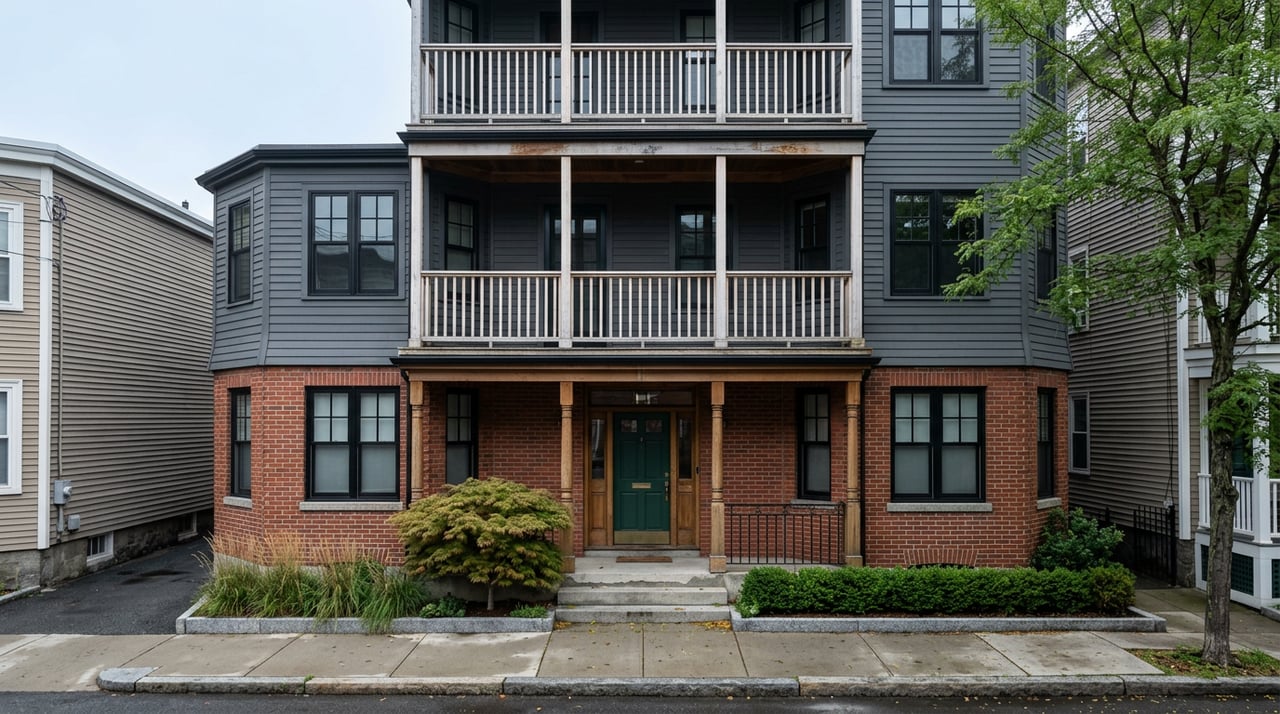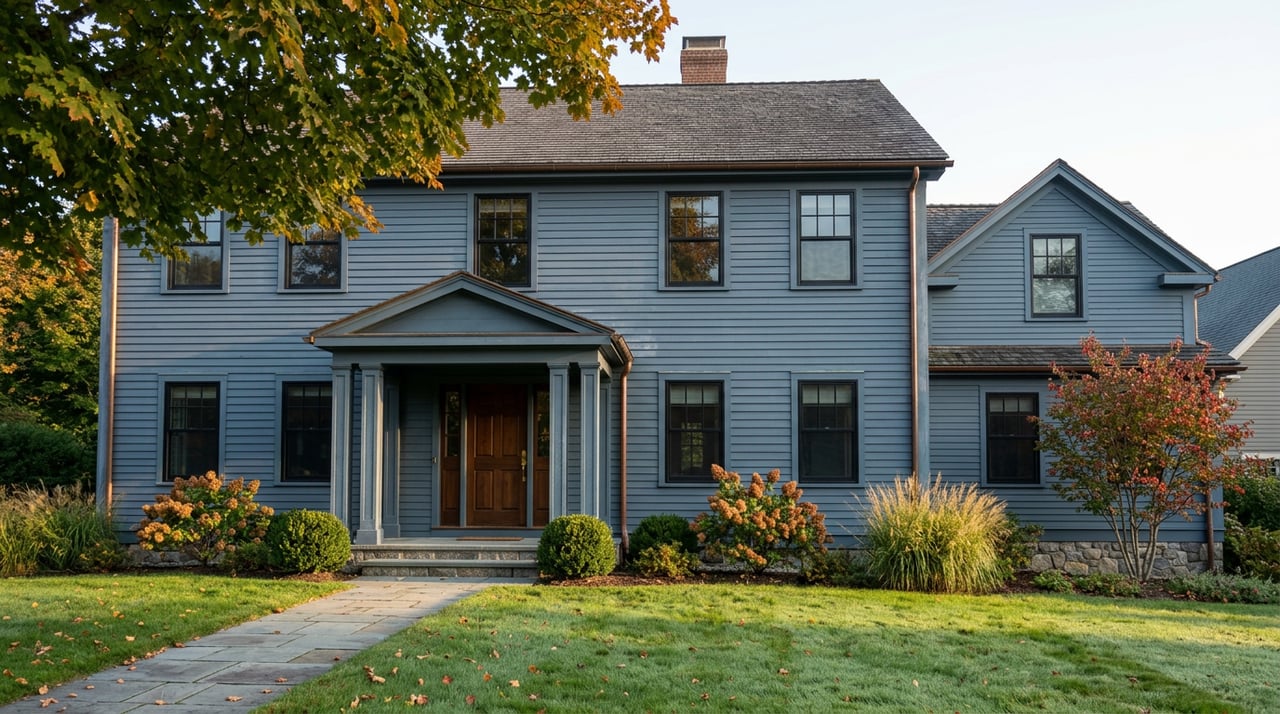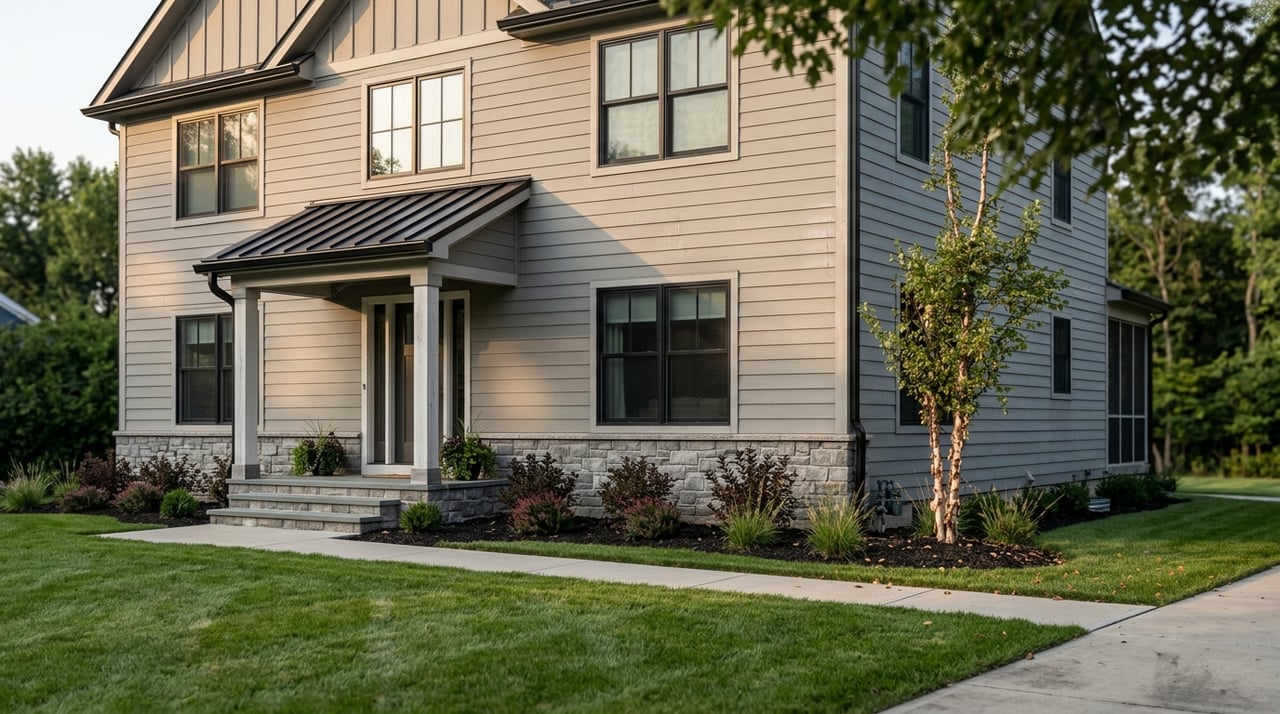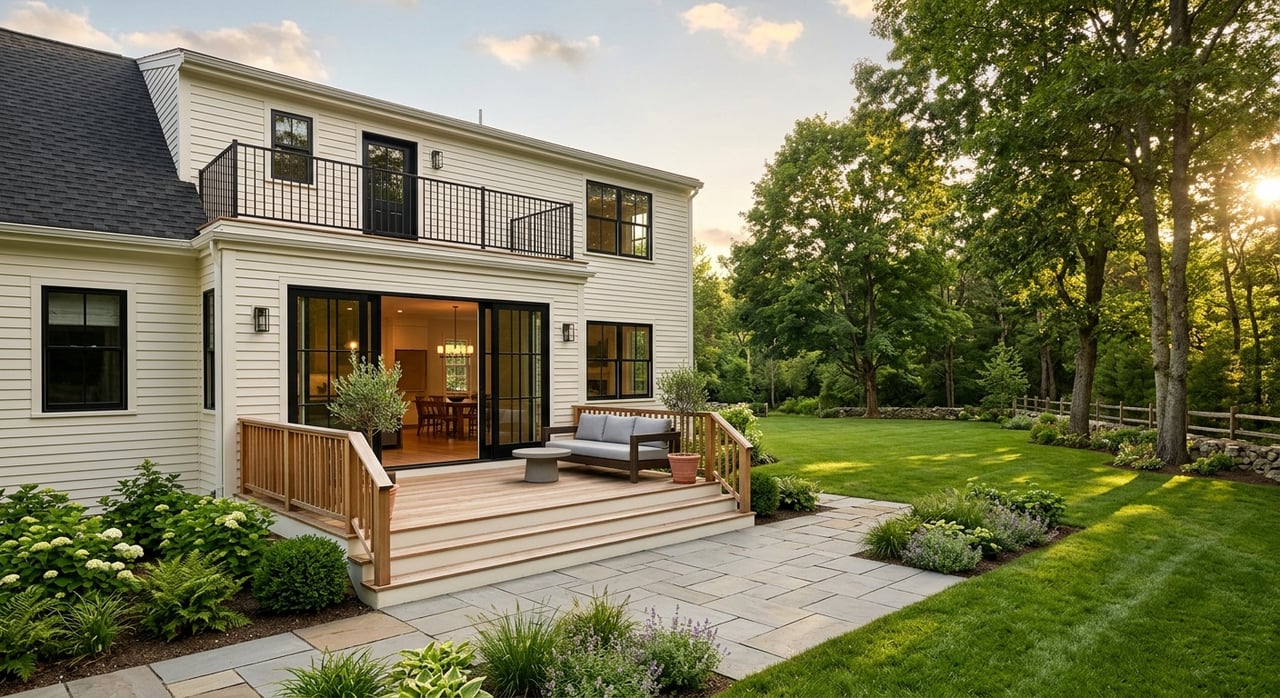
If you’ve outgrown city living but do not want to lose your connection to Greater Boston, Wilmington is probably already on your radar. For many buyers coming from Somerville or Cambridge, the appeal is simple: more space, a different pace, and home prices that can look more approachable than what you see closer to Boston. This guide walks you through the practical differences, from housing costs and commute options to taxes, utilities, and what day-to-day life may feel like once you make the move. Let’s dive in.
Why Wilmington draws city buyers
Wilmington sits about 15 miles north of Boston in Middlesex County, which keeps it firmly in the Greater Boston commute pattern while offering a more suburban setting. It covers 17.2 square miles and had an estimated population of 23,802 in July 2024.
That is a major shift if you are moving from Somerville or Cambridge. Somerville’s population is estimated at 82,149, and Cambridge’s is 121,186, so Wilmington simply operates at a smaller scale.
For many buyers, that size difference shows up in the housing mix and daily rhythm. Wilmington has a much higher owner-occupied housing rate at 88.1%, compared with 34.2% in Somerville and 33.5% in Cambridge.
Average household size also points to a different living pattern. Wilmington averages 2.91 people per household, compared with 2.19 in Somerville and 2.06 in Cambridge, which supports the idea that you are moving into a more space-oriented residential market.
Home prices look different here
One of the biggest reasons buyers consider Wilmington is cost relative to Somerville or Cambridge. According to Census data, Wilmington’s median value of owner-occupied homes is $680,500.
That compares with $911,300 in Somerville and $1,092,100 in Cambridge. If you are selling in one of those markets and buying in Wilmington, that spread can create more flexibility in the kind of home you target.
It is also helpful to look at recent local assessment figures to understand the town’s residential pricing landscape. Wilmington’s FY26 proposed assessments list average values at $759,084 for single-family homes, $596,452 for condos, $705,006 for two-families, and $630,500 for three-families.
Those numbers do not replace a live market analysis, but they are useful for setting expectations. If you are used to Cambridge or Somerville pricing, Wilmington may offer more options across property types, especially if your goal is more square footage, yard space, or a different layout.
Budget for taxes and monthly costs
When you compare towns, purchase price is only part of the equation. Property taxes and utility setup matter too, especially if you are moving from a condo or smaller city property into a larger suburban home.
Wilmington’s FY26 budget materials list a residential tax rate of $11.41 per $1,000 of assessed value. The town’s sample tax bill on an average single-family home assessed at $759,084 is $7,815.72.
That does not mean every property will have the same bill, but it gives you a real baseline for planning. If you are building out a monthly ownership budget, this is one of the first numbers to plug in alongside insurance, utilities, and maintenance.
Renters thinking about a move should also note the local baseline. Wilmington’s median gross rent is $2,394, according to Census data, which can be a useful comparison point if you are deciding whether to keep renting or buy.
Expect a more residential housing profile
If your reason for leaving Somerville or Cambridge is space, Wilmington’s population makeup may help explain why the town feels different. Children under 18 make up 23.1% of Wilmington’s population, compared with 9.8% in Somerville and 12.4% in Cambridge.
That does not tell you everything about a town, but it does reinforce that Wilmington has a more household-heavy residential profile. In practical terms, buyers often notice that in lot sizes, parking, home layouts, and the overall pace of residential streets.
Wilmington also has its own public school district, with Wilmington High School, Wilmington Middle School, and multiple elementary and intermediate school buildings listed by the town. If schools are part of your move criteria, the key is to review current district information and then evaluate specific housing options based on your overall needs and budget.
Commute options matter more than you think
A move from Somerville or Cambridge to Wilmington is not just a housing decision. It is also a transportation decision.
Wilmington is served by I-93 and Routes 38, 62, 125, and 129, with access to U.S. 3, I-95, I-495, and Route 128. If you drive to work, that road network is one reason Wilmington stays attractive for buyers who still need regular access to Boston and surrounding job centers.
The town also has two commuter rail stations. Wilmington station is on the Lowell Line, while North Wilmington station is on the Haverhill Line.
That split matters because station choice can affect your daily routine depending on where you live in town and where you need to go. The town has also issued notices in the past distinguishing the two stations during service changes, so it is smart to confirm current service patterns when you are narrowing down homes.
For a broad baseline, Wilmington’s mean travel time to work is 30.3 minutes, according to the Census. Your actual commute will depend on your work location, start time, and whether you drive or use rail, but that figure helps set general expectations.
Utilities and wastewater deserve a closer look
This is one of the biggest practical differences between moving within dense urban markets and buying in a suburban town. In Wilmington, water and sewer service are not as simple as assuming every property works the same way.
The town says it provides town water, sewer in approximately 15% of the town, rubbish removal, and fully staffed police and fire departments. Its Water & Sewer Division says the water system serves about 99% of residents.
Sewer coverage is much more limited. The town reports roughly 34 miles of sewer main, 11 pump stations, and more than 1,700 sewer services, so many properties may rely on septic rather than municipal sewer.
That means wastewater setup should be part of your due diligence from day one. If you are comparing homes, verify whether each property is on sewer or septic, and review any relevant town guidance for septic systems before you move forward.
What day-to-day life may feel like
Every move has a numbers side and a lifestyle side. Wilmington’s local identity is shaped less by dense urban activity and more by town-based amenities and community routines.
Town information highlights places and services such as Silver Lake, the public library, the senior center, the recreation department, the museum, and the annual Fun on the Fourth celebration. For buyers coming from Somerville or Cambridge, that often translates into a more town-centered pattern of daily life.
That does not mean better or worse. It means different.
If you are used to a highly walkable urban environment, the adjustment may be about driving more often and planning errands differently. If you are looking for more room, easier parking, and a quieter residential setting while staying within Greater Boston, Wilmington may line up well with your goals.
What to compare before you move
Before you decide that Wilmington is the right next step, compare the tradeoffs in a clear way. The best move is not just about finding a lower price point. It is about matching the town to how you actually live.
Here are a few smart questions to ask as you compare Wilmington with Somerville or Cambridge:
- How much space do you want inside and outside the home?
- How often will you commute to Boston or Cambridge?
- Do you want access to commuter rail, major highways, or both?
- What monthly budget feels comfortable once taxes and utilities are included?
- Are you open to a property with septic, or do you prefer sewer?
- Do you want a condo, single-family, or multi-family property type?
These questions help you move from a vague idea of "more space" to a more useful plan. That is especially important in Greater Boston, where each town solves a different set of needs.
How to make the move strategically
If you own in Somerville or Cambridge and plan to buy in Wilmington, timing matters. The value gap between markets can create opportunity, but only if you understand your buying power, likely sale proceeds, and the practical tradeoffs of the homes you are considering.
This is where a clear plan helps. You want to compare likely sale value in your current market, expected tax and ownership costs in Wilmington, and any property-specific issues such as sewer versus septic or commute access to a rail station.
For some buyers, the right move is a single-family home with more room to grow. For others, it may be a condo or multi-family property that keeps monthly costs and maintenance more manageable.
The key is not hype. It is clarity.
If you are weighing a move from Somerville or Cambridge to Wilmington, John Raposo can help you compare the numbers, the neighborhoods, and the real tradeoffs so you can make your next move with confidence.
FAQs
What should buyers know about Wilmington home prices compared with Somerville or Cambridge?
- Wilmington’s median owner-occupied home value is $680,500, compared with $911,300 in Somerville and $1,092,100 in Cambridge, based on Census data.
What should buyers know about Wilmington property taxes?
- Wilmington’s FY26 residential tax rate is $11.41 per $1,000 of assessed value, and the town lists a sample tax bill of $7,815.72 on an average single-family home assessed at $759,084.
What should commuters know about getting from Wilmington to Greater Boston?
- Wilmington has access to I-93, Routes 38, 62, 125, and 129, plus connections to U.S. 3, I-95, I-495, and Route 128, and it has two commuter rail stations: Wilmington on the Lowell Line and North Wilmington on the Haverhill Line.
What should homebuyers know about sewer and septic in Wilmington?
- The town says sewer serves approximately 15% of Wilmington, while the water system serves about 99% of residents, so you should verify the wastewater setup for any property you are considering.
What should Somerville or Cambridge buyers expect from Wilmington day to day?
- Wilmington has a smaller-scale, more residential profile with town-centered amenities like Silver Lake, the public library, recreation services, and annual community events, which can feel quite different from a denser urban routine.