As cities evolve and sustainability becomes a central priority, adaptive reuse has emerged as one of the most powerful strategies in commercial real estate. In 2025, this approach—repurposing existing buildings for new uses—is reshaping urban landscapes, reducing environmental impact, and providing innovative solutions to shifting market demands.
From converting vacant office towers into mixed-use communities to transforming historic warehouses into creative workspaces, adaptive reuse offers a fresh path forward for developers, investors, and city planners.
Here’s how adaptive reuse is driving the next era of commercial real estate.
1. Addressing Vacancies Through Strategic Transformation
With hybrid work now a permanent part of corporate culture, many cities continue to struggle with underutilized office spaces. Adaptive reuse provides a strategic and innovative solution: turning empty commercial buildings into housing, retail, hospitality, or mixed-use developments.
Key transformations in 2025 include:
-
Office-to-residential conversions
-
Retail-to-healthcare or community centers
-
Industrial-to-flex creative spaces
-
Hotels repurposed into student or senior housing
By breathing new life into vacant assets, adaptive reuse stabilizes urban markets and revitalizes surrounding neighborhoods.
2. Sustainability as a Core Driver
In 2025, sustainability is not just a trend—it’s a requirement. Adaptive reuse supports climate goals by significantly reducing the carbon emissions associated with demolition and new construction.
Sustainable benefits include:
-
Conservation of building materials
-
Reduced waste generation
-
Lower energy consumption compared to new builds
-
Preservation of historic architectural elements
As environmental regulations tighten and ESG pressures grow, adaptive reuse becomes not only a responsible choice but a competitive advantage.
3. Rising Demand for Authentic, Character-Rich Spaces
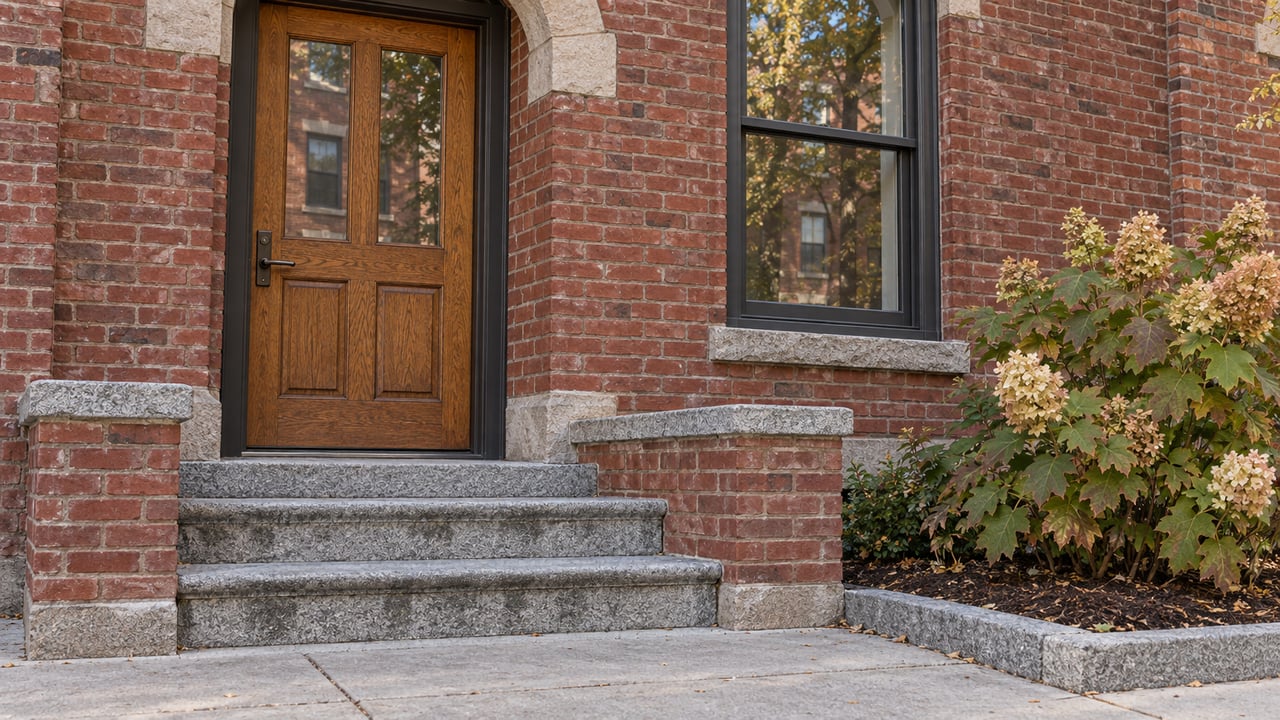
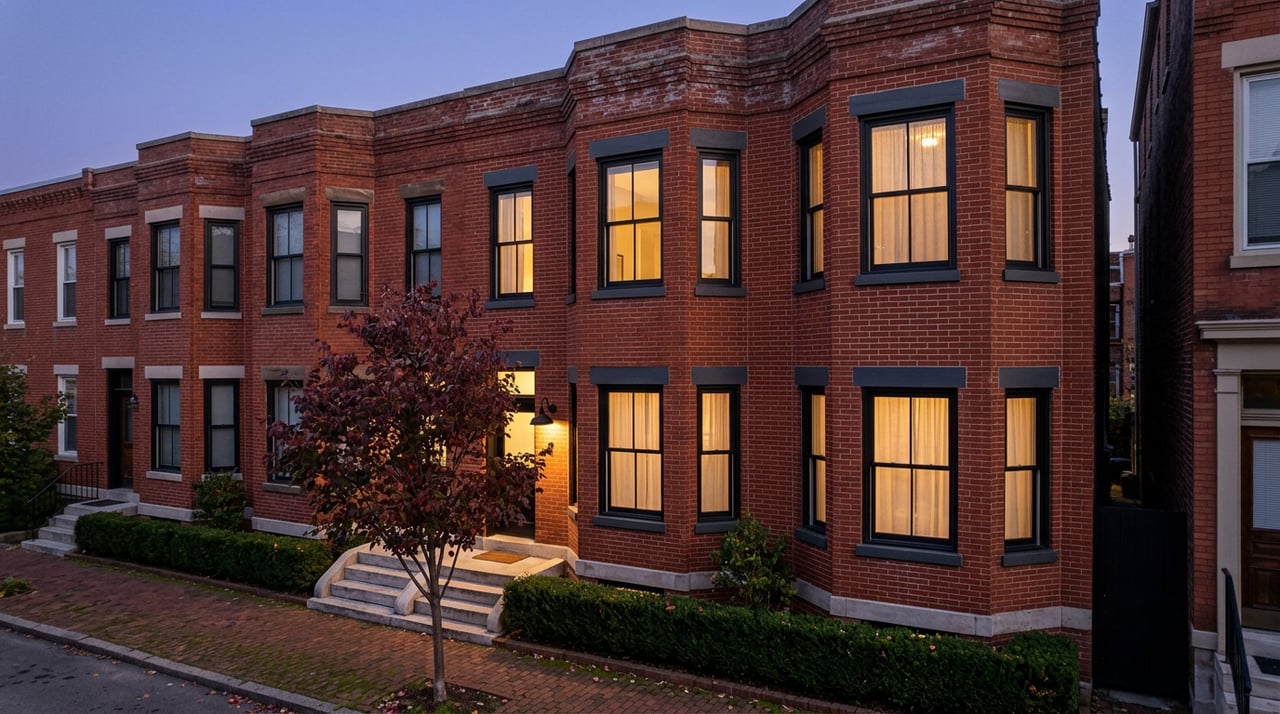
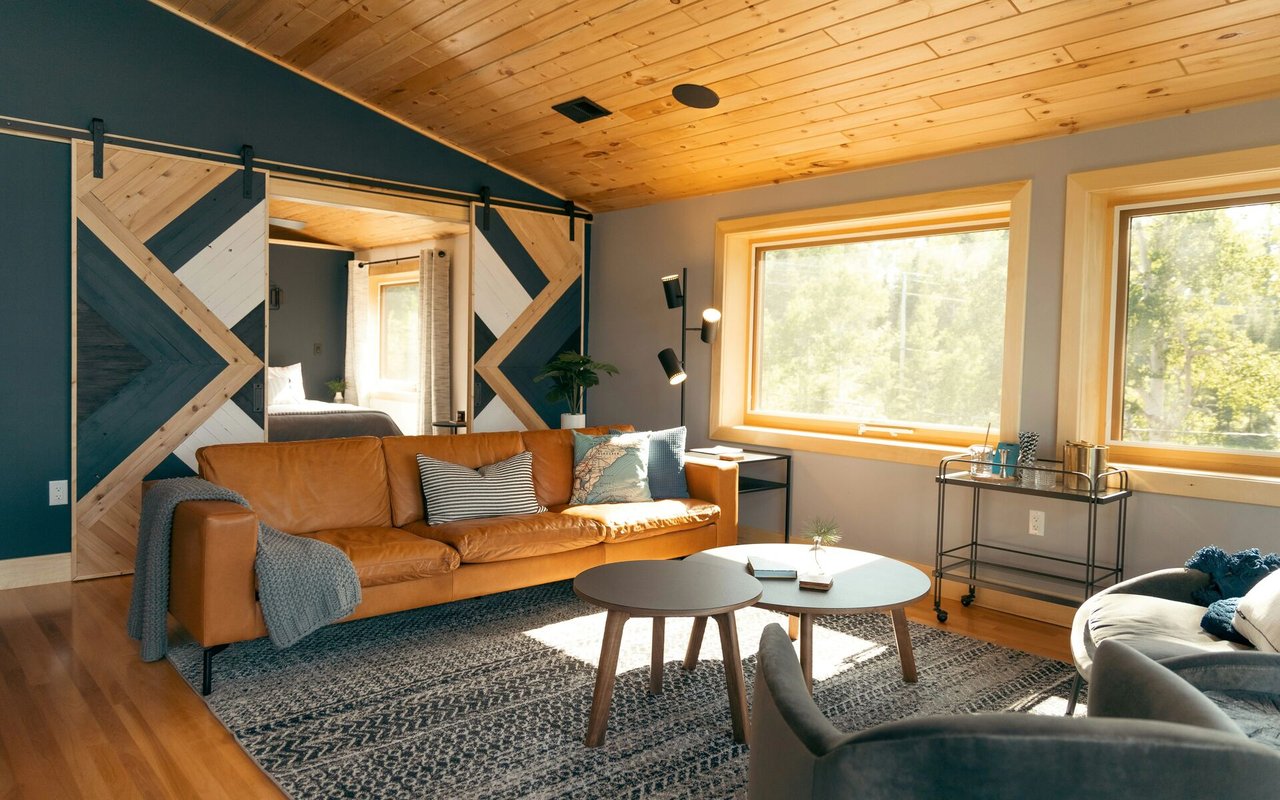
Modern tenants—especially in creative, tech, and boutique retail sectors—prefer spaces with unique character and history. Exposed brick, vintage facades, industrial beams, and open layouts offer an authenticity new builds often lack.
Adaptive reuse projects cater to this demand by blending old and new, offering:
-
Distinctive aesthetics
-
Cultural connection to the community
-
Greater brand identity for tenants
This appeal can drive higher occupancy and premium rents in markets seeking differentiation.
4. Economic Efficiency and Reduced Development Risk
While adaptive reuse projects come with their own complexities, they often offer cost efficiencies compared to building from scratch.
Financial advantages in 2025 include:
-
Shorter timelines (avoiding major structural construction)
-
Lower material costs
-
Greater appeal for public funding or tax incentives
-
Higher feasibility for developers navigating tight lending environments
Municipalities increasingly support adaptive reuse through grants, zoning tweaks, and expedited permitting, recognizing the economic value of preserving and revitalizing existing structures.
5. Supporting Urban Revitalization and Community Growth
Adaptive reuse does more than transform buildings—it transforms neighborhoods. In 2025, many cities are using this strategy to tackle multiple urban challenges at once, including:
-
Lack of affordable housing
-
Declining downtown foot traffic
-
Oversupply of aging commercial properties
-
Preservation of culturally significant architecture
These projects foster vibrancy, attract new businesses, and stimulate local economies—all while maintaining the character that makes communities unique.
6. Challenges to Overcome
Despite its benefits, adaptive reuse is not without obstacles.
Key challenges include:
-
Structural limitations of older buildings
-
Compliance with modern safety and accessibility codes
-
High upfront costs for renovation and retrofitting
-
Navigating historic preservation requirements
Developers who succeed in adaptive reuse projects in 2025 are those who combine strong due diligence with creative problem-solving and cross-disciplinary expertise.
Conclusion: A Transformative Strategy for 2025 and Beyond
Adaptive reuse has become a cornerstone of commercial real estate in 2025—offering solutions that are sustainable, economically sound, and aligned with modern tenant preferences. By repurposing existing spaces, developers and investors not only preserve architectural heritage but also unlock new value and foster resilient, vibrant communities.
As cities continue to adapt to social, economic, and environmental shifts, adaptive reuse will play an increasingly vital role in shaping the future of commercial real estate.