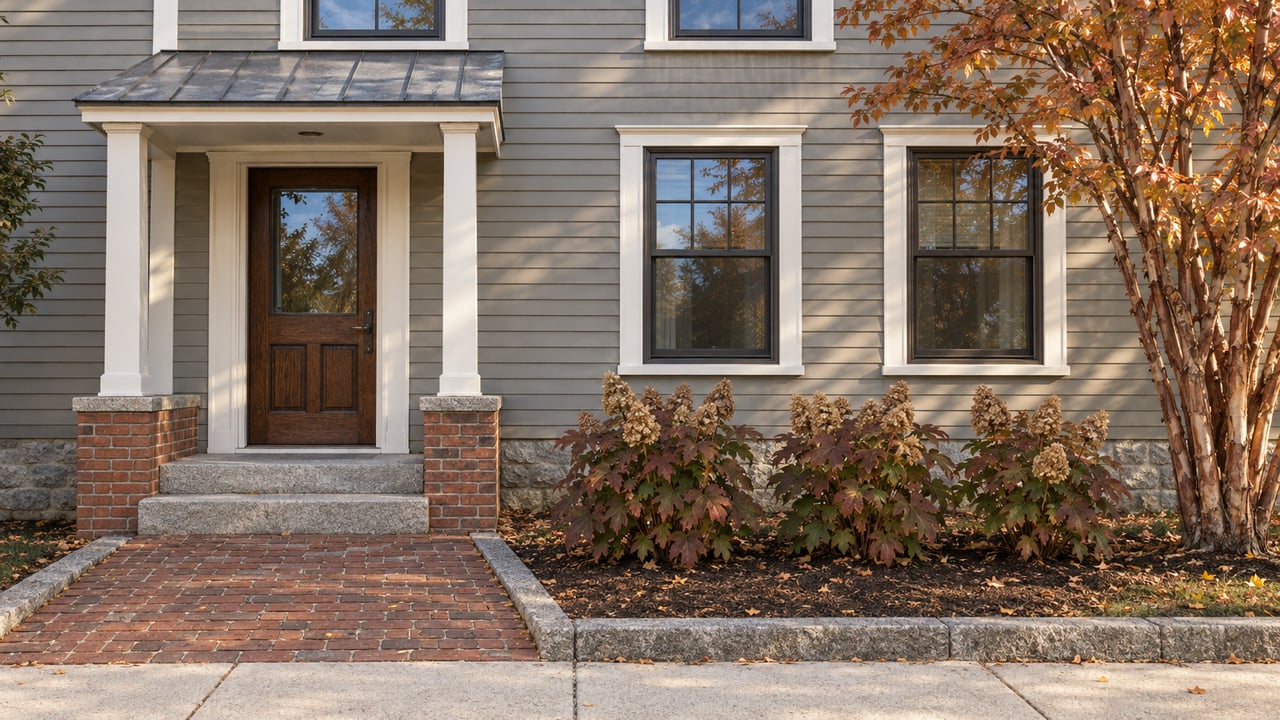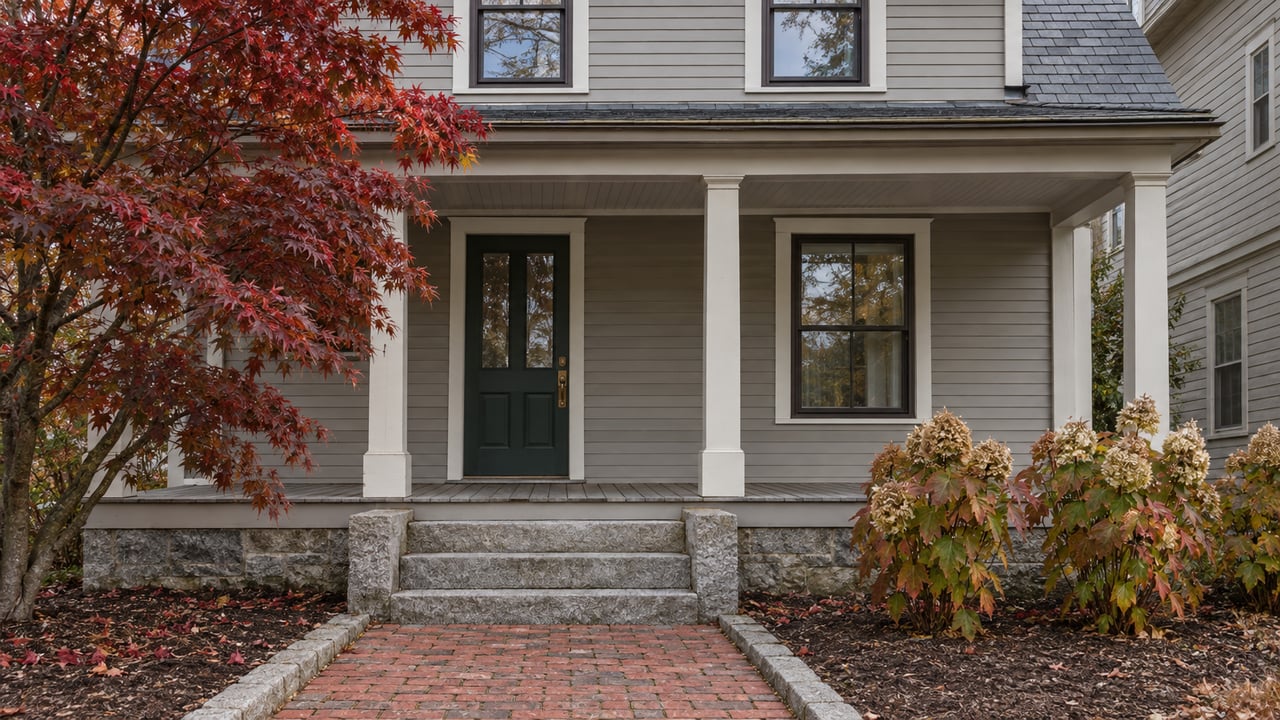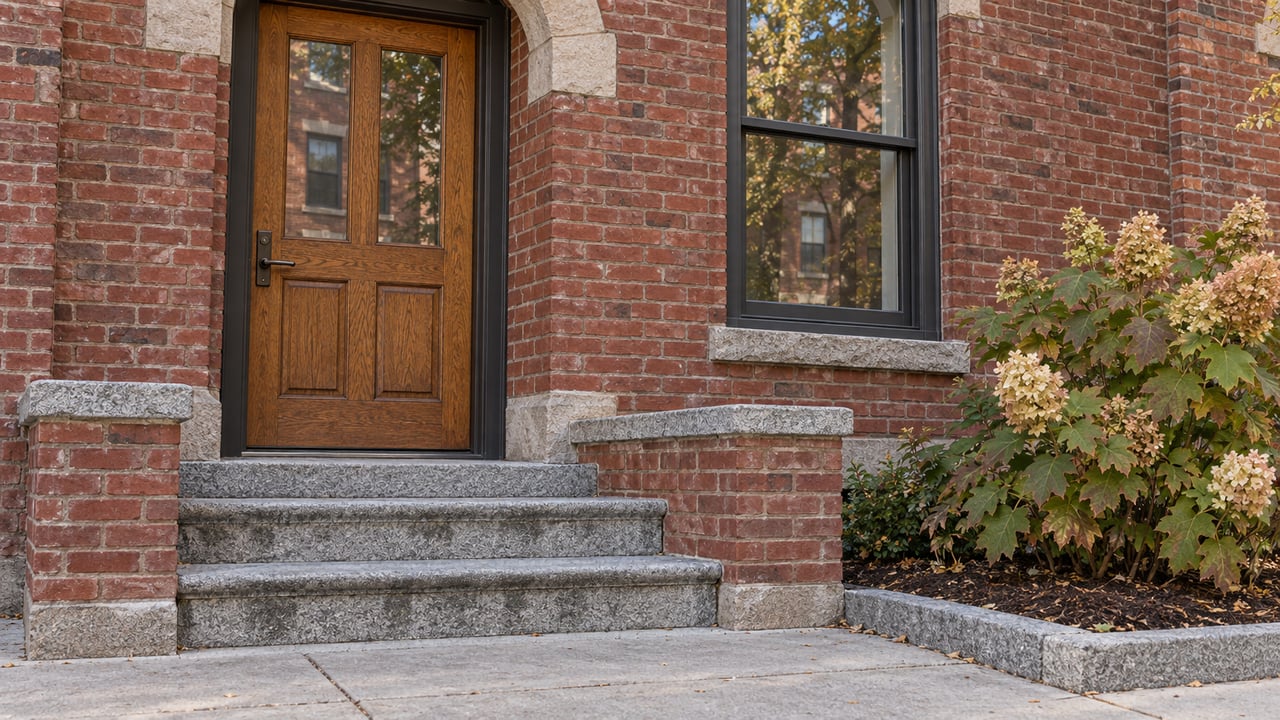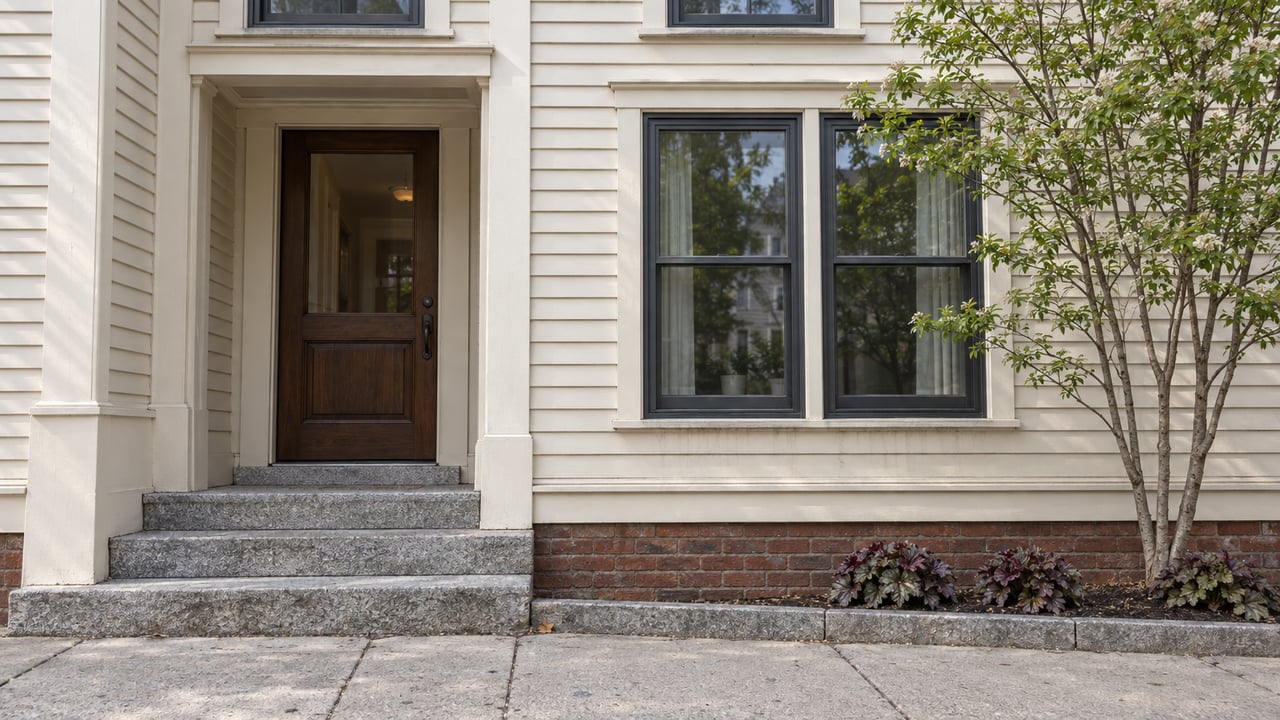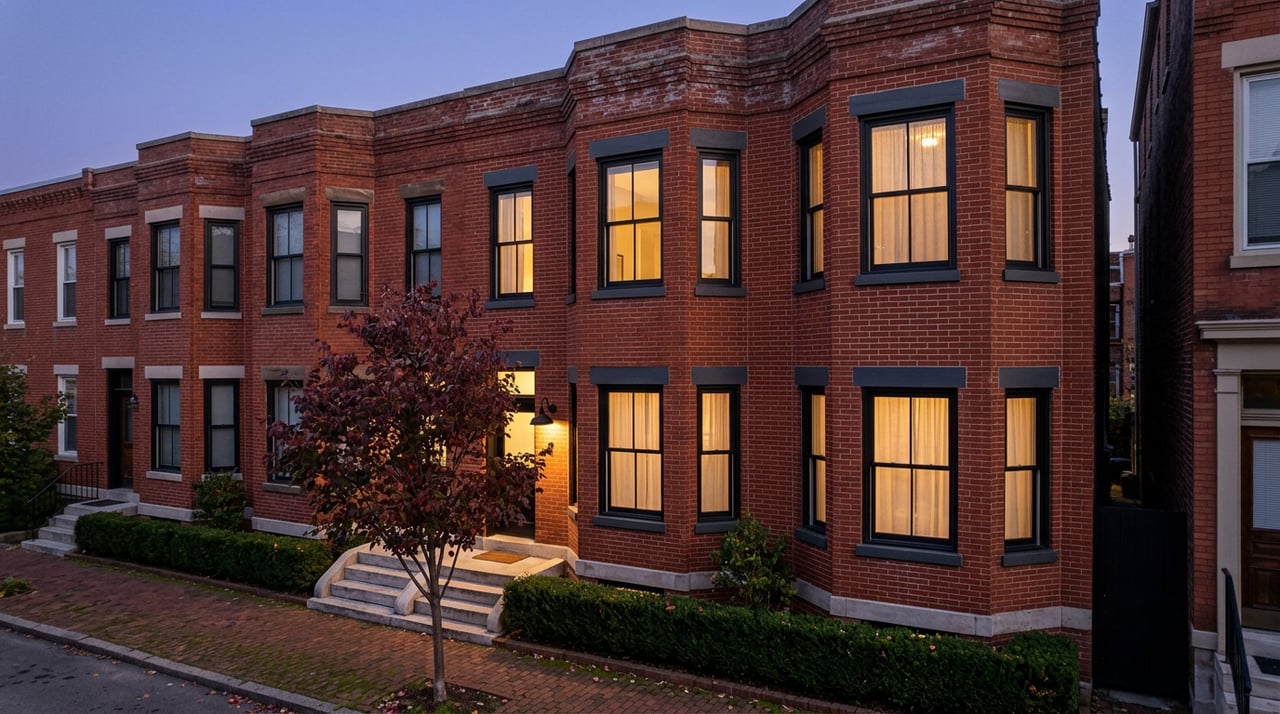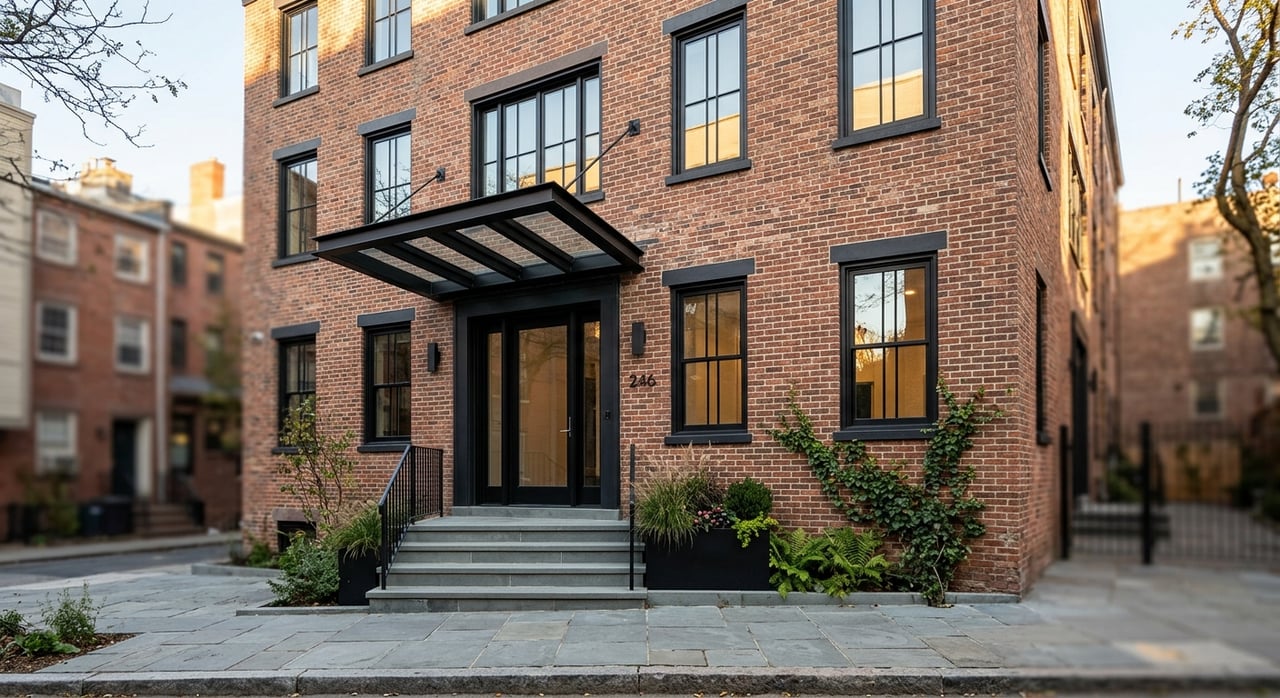
If you are shopping for a condo in Cambridge, one question tends to shape the entire search: do you want the efficiency and predictability of a new build, or the character and established feel of a classic building? In a high-cost market where Cambridge owner-occupied housing values are around $1.15 million and only 33.7% of homes are owner-occupied, that choice matters because small differences in systems, upkeep, and association structure can have a big impact over time. The good news is that each path can work well if you know how to compare them clearly. Let’s dive in.
Cambridge condo market basics
Cambridge is a multifamily city in the truest sense. According to the city’s multifamily design guidelines, the vast majority of residents live in multifamily housing, with building types that range from triple-deckers and fourplexes to larger apartment and condominium communities.
That broader housing context helps explain why Cambridge condo buyers often compare more than just square footage and finishes. In this market, you are usually weighing lifestyle fit, future maintenance, operating costs, and association health just as much as appearance.
Cambridge also adopted zoning in February 2025 to allow multifamily housing citywide, while developments with 10 or more units must reserve 20% of residential floor area for affordable housing under the city’s inclusionary housing rules. Those policies shape the kinds of projects entering the market, but from a buyer’s perspective, the day-to-day decision still comes down to how a specific building performs for your goals.
What new-build condos often offer
New construction in Cambridge usually appeals to buyers who want fewer immediate projects and a more standardized living experience. That often means newer mechanical systems, more consistent finishes, and a stronger baseline for efficiency than you may find in an older conversion.
The city’s Stretch Energy Code summary gives useful context here. Cambridge adopted the Massachusetts Specialized Stretch Energy Code effective July 1, 2023, and the city says new construction must meet high-performance standards, prepare for all-electric heating and cooling, and make parking ready for EV chargers.
For multifamily buildings over 12,000 square feet, the standards are even more demanding. The city says those projects must meet Passive House standards or net-zero home performance scores, and fossil-fuel systems must be pre-wired for future electric systems.
In plain English, that can translate into practical benefits like:
- lower baseline energy demands
- newer heating and cooling equipment
- easier EV charging readiness in projects with parking
- less near-term replacement risk for major systems
- more predictable maintenance in the early years of ownership
That said, not every new building feels the same. Cambridge’s multifamily design guidelines emphasize shared spaces, courtyards, common areas, operable windows, long-term bicycle parking, and building forms that relate to the city’s existing context, but those are voluntary design standards rather than zoning requirements. So while the performance rules may be consistent, the quality of finishes, layouts, sound transfer, storage, and amenities can still vary from project to project.
What classic condos often offer
Classic Cambridge condos are part of a much older multifamily story. The city notes that multifamily housing has been part of Cambridge’s housing stock since the mid-19th century, and older forms include brick apartment buildings found across many parts of the city.
For buyers, the appeal is usually not just age. It is the combination of architectural detail, established building scale, and a sense that the property fits naturally into its surroundings.
In many cases, classic condos trade uniformity for personality. You may find layouts that are less standardized, original details that add visual interest, and a building presence that feels more rooted than a brand-new development.
That does not automatically make an older condo better or worse. It simply means the value may show up in different places, such as:
- architectural character
- established building style and scale
- neighborhood context that feels consistent over time
- renovation upside for buyers comfortable with future projects
Cambridge also notes that some older buildings are legally nonconforming under current zoning, meaning they may not meet today’s size or setback standards even if they were legal when built. That is one more reason to treat each classic condo as its own case study rather than assuming all older units come with the same pros or risks.
Historic review can affect updates
If you are considering a classic condo, it is smart to understand whether exterior changes may face additional review. Cambridge states that the Historical Commission reviews properties in historic and neighborhood conservation districts.
The city also notes that most interior-only work or in-kind repairs can be approved administratively. Still, if a building is historically or architecturally significant, renovation work is expected to match or remain compatible with original materials and features.
For you as a buyer, that does not mean renovations are impossible. It means you should ask early about what kind of updates were completed previously, what approvals were required, and whether your future plans would mostly involve interior work or anything that affects the exterior.
How to compare upkeep risk
One of the biggest differences between new builds and classic condos is not visible on the first showing. It is the likely timing and cost of future maintenance.
With a new build, the big-ticket systems are usually newer, which can reduce short-term replacement risk. With a classic building, the questions are often more detailed: How old is the roof? Have the windows been updated? Is there a history of moisture intrusion? What capital projects are likely next?
Massachusetts makes inspections especially important here. The state’s residential home inspection guidance says a licensed inspector must provide a written evaluation covering accessible components such as heating, cooling, plumbing, electrical, structural elements, foundation, roof, masonry, and interior and exterior components.
That framework matters for any condo purchase, but it can be especially useful in Cambridge, where attractive finishes may hide older envelope or system issues. A clean kitchen renovation does not tell you much about insulation, drainage, masonry condition, or deferred common-area work.
Older Cambridge condos need extra questions
If you are buying in an older building, a standard inspection is only the starting point. You will usually want a deeper conversation about the building as a whole, not just the unit.
Good follow-up questions include:
- How old are the windows?
- Has insulation or air sealing been improved?
- Is there any record of water penetration or moisture issues?
- What is the roof condition?
- How old is the HVAC equipment?
- Has the association discussed major capital work?
- Are there any recent or planned special assessments?
Lead paint should also be on your radar for older homes. The EPA states that homes built before 1978 may contain lead-based paint, and federal law requires lead-paint disclosure for most pre-1978 housing before sale.
Energy performance is another area worth checking. The U.S. Department of Energy says a home energy assessment can identify insulation, air-sealing, comfort, and safety issues, and Cambridge residents can access a no-cost home energy assessment through Cambridge Energy Alliance via Mass Save as referenced in the research context. For a classic condo, that kind of assessment can add another layer of clarity before or after purchase planning.
Condo documents matter as much as finishes
This is where many buyers make the biggest mistake. They focus heavily on countertops, appliances, or staging and not enough on the association documents.
Under Massachusetts condominium law guidance, condominiums are governed by the master deed, deed, bylaws, and Chapter 183A, and the state does not provide general regulatory oversight over condo associations. Associations must maintain records, adopt budgets for common expenses, and keep an adequate replacement reserve fund separate from operating funds.
That means a condo purchase is partly a building-level financial decision. A classic three-unit conversion and a newer 30-unit building may both look appealing, but they can operate very differently in terms of reserves, governance, maintenance planning, and assessment exposure.
What to review before you commit
Whether you are leaning new or old, review these items carefully:
- master deed
- bylaws
- current budget
- meeting minutes
- reserve funding
- special assessment history
- management structure, whether self-managed or professionally managed
For condos under 50 units, Massachusetts also allows a majority vote to trigger a CPA review of the financial report. That detail reinforces a bigger point: association transparency and financial discipline are not automatic. You need to evaluate the paperwork with the same care you give the unit itself.
New builds vs. classics at a glance
Here is a simple way to frame the tradeoffs.
| Condo Type | Often Appeals To Buyers Who Want | Main Watchouts |
|---|---|---|
| New build condo | newer systems, stronger baseline efficiency, EV readiness, more predictable near-term maintenance | project-to-project variation in build quality, layouts, association setup, and actual specs |
| Classic condo | character, established building scale, neighborhood fit, possible renovation upside | older systems, more variation in condition, and greater need for document and inspection diligence |
Neither option is automatically the better investment or the better lifestyle fit. The better choice is the one that lines up with how you want to live and how much uncertainty you are comfortable managing.
A simple Cambridge buyer framework
If you want a calm, practical way to decide, start with your priorities rather than the age of the building.
A new-build Cambridge condo may be a stronger fit if you care most about:
- newer mechanical systems
- higher baseline energy performance
- all-electric readiness
- EV-friendly infrastructure
- fewer immediate maintenance projects
A classic Cambridge condo may be a stronger fit if you care most about:
- architectural detail and character
- a building that feels established in its setting
- smaller-scale condo living
- flexibility to improve the space over time
- accepting more variation in systems and finishes
The key is to remember that each type offers a different kind of certainty. Newer buildings often concentrate value in convenience and performance. Older buildings often concentrate value in character, location fit, and the potential upside of thoughtful updates.
The smartest way to shop Cambridge condos
In Cambridge, broad labels only get you so far. A well-run classic condo association can be a better long-term fit than a weaker new project, and a strong new-build can save you years of system-related surprises compared with an older conversion.
That is why the best approach is simple: compare the unit, the building, and the documents together. When you do that, you can move past surface-level appeal and choose a condo that truly fits your budget, risk tolerance, and daily life.
If you want help comparing Cambridge condos with a clear, local, no-hype approach, connect with John Raposo. You will get practical guidance on how to weigh building quality, association risk, and long-term fit before you commit.
FAQs
What is the main difference between new-build and classic condos in Cambridge?
- New-build condos often offer newer systems, stronger baseline energy performance, and more predictable short-term maintenance, while classic condos often offer more character, established building style, and greater variation in layout and condition.
What documents should you review before buying a Cambridge condo?
- You should review the master deed, bylaws, budget, meeting minutes, reserve funding, special assessment history, and the building’s management structure.
Why is a condo inspection important in Cambridge?
- A condo inspection helps you evaluate accessible systems and structural components, which is especially important in older Cambridge buildings where costly issues may not be obvious during a showing.
What should you ask about an older Cambridge condo building?
- Ask about roof condition, window age, insulation, moisture intrusion, HVAC age, planned capital improvements, and any recent or expected special assessments.
Do older Cambridge condos always have more risk than new builds?
- No. Risk depends on the specific building, the condition of its systems, and the strength of the condo association’s finances and management, not just the age of the property.
Are new Cambridge condo buildings required to meet energy standards?
- Yes. Cambridge says new construction must meet high-performance standards under the Specialized Stretch Energy Code, including preparation for all-electric heating and cooling and EV charger readiness for parking areas.