Buying a small multi-family in Somerville can feel like doing math on a moving train. Prices are high, demand is steady, and every assumption you make changes the outcome. If you get the underwriting right, you give yourself room to win even in a tight market. In this guide, you’ll learn a clear, step-by-step playbook with Somerville-specific numbers, rules, and checkpoints so you can underwrite with confidence. Let’s dive in.
The Somerville small‑multi landscape
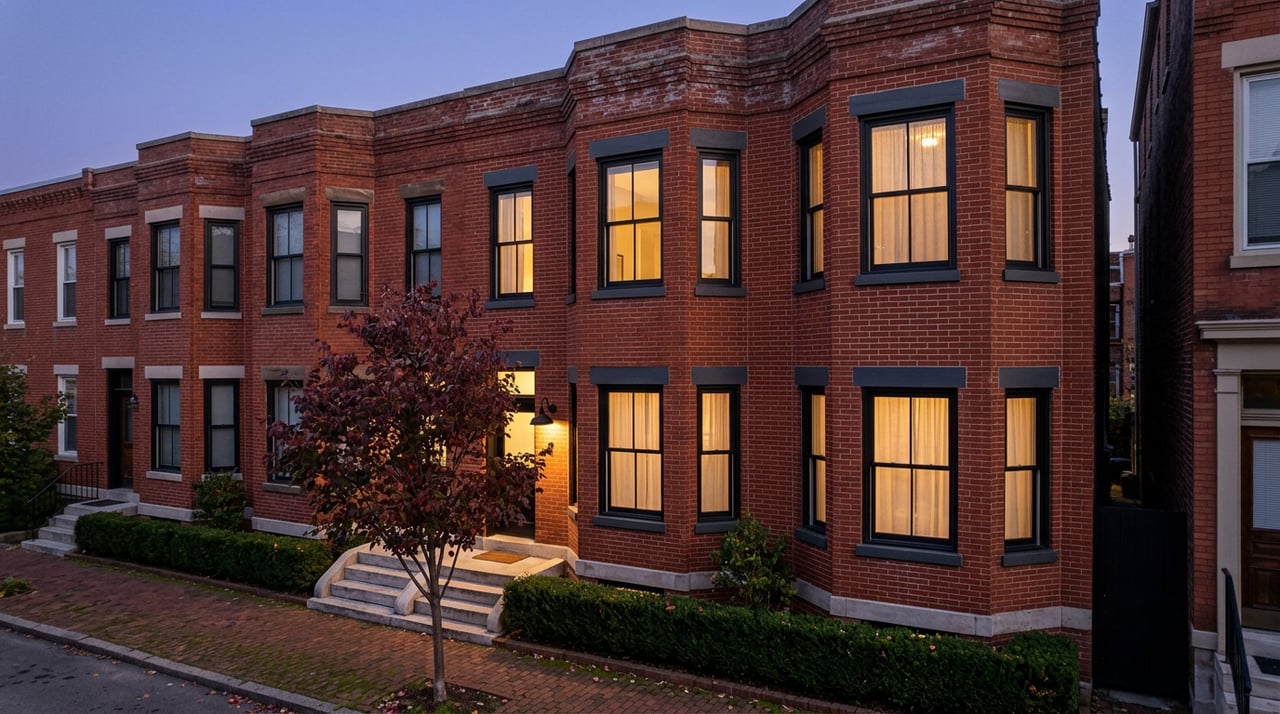
Somerville is a high-demand rental market with home values and rents well above national averages. City snapshots show an average home value around $910,000 and average rents in the low $3,000s per month for apartments. Median sale prices for desirable 2–3 families often hover near or above $1 million in strong neighborhoods. This pushes per-unit pricing up and compresses yields, so you should assume conservative upside when you underwrite.
Why investors buy here is simple: proximity to Cambridge and Kendall Square jobs, multiple universities, transit access, and very limited land. That mix has supported values for small apartment buildings over time. Your job is to price risk, model realistic rents and expenses, and avoid surprises in renovation and compliance.
Your underwriting playbook
Use these eight steps to build a clean pro forma before you write an offer.
1) Confirm deal type and collect documents
Request a complete package so you are not guessing:
- Purchase contract and offer terms
- 12-month rent roll, all current leases, and security deposit log
- Utility billing and metering details for each service
- T‑12 profit and loss or the last two years of operating statements
- Recent capital expenditures list and any warranties
- Certificates of occupancy and all relevant permits and inspections
- Seller disclosures, including lead and environmental
2) Test in‑place rents vs. market
Start with a quick sense of city averages, then zero in by unit type and location. A 3‑bed near Davis is not the same as a studio near Winter Hill. Compare in-place rents to recent, similar listings by bedroom count and condition. Underwrite unit by unit and be careful with assumed upside if you need major renovations to achieve it.
3) Set vacancy and collections
Somerville’s rental market has historically shown modest vacancy. Small investors often model 4 to 7 percent for vacancy and concessions to be safe. Stress-test your deal at a higher vacancy too. If cash flow breaks under a 7 to 8 percent assumption, know what needs to change.
4) Build an expense budget that fits Somerville
For older urban buildings, small investors often see operating expense ratios in the 35 to 45 percent range of effective gross income. Use your T‑12 as a reality check and compare line by line. For benchmarking context, see this overview of typical small multifamily expenses and ranges in practice from a fractional CFO resource on operating expense ratios (practical OER overview).
Key line items to model:
- Property taxes. Use the City’s assessment and the current residential tax rate. The City of Somerville’s FY2025 proposed residential rate is $10.91 per $1,000 of assessed value, with an example average assessed value for a 3‑family at about $1,369,107. That implies roughly $14,940 per year in tax for the example 3‑family, before any exemptions or changes (City of Somerville Assessors, accessed March 2026). Always verify the target property’s actual assessment and the current rate on the Assessing page (Somerville Assessing).
- Property management. Owner-managers may underwrite 0 to 6 percent. Third-party management often runs 6 to 10 percent of collected rents.
- Maintenance and repairs. Budget 5 to 10 percent, higher for older systems or deferred items.
- Utilities. Check meterization. If the owner pays heat or water, model those directly. Note any near-term system replacement needs separately.
- Insurance and admin. Get local quotes, especially for older wood-frame buildings.
Quick illustration. If you underwrite a 3‑unit at an average rent of $3,300 per unit per month, gross potential rent is about $119,000 per year. At that level, a $14,940 tax bill can equal roughly 12.5 percent of gross potential rent. Taxes are a material fixed cost here, so treat them as a first-order input.
5) Scope capital needs and code items
Define your renovation level upfront:
- Cosmetic turn: paint, floors, fixtures
- Systems work: heating, hot water, electrical, plumbing
- Full gut: structural changes, kitchens, baths, windows, insulation
Older Somerville buildings often predate 1978, so model for lead-safe work and possible deleading if children under six will occupy. Review Massachusetts tenant and lead-law guidance for planning and costs (Massachusetts lead law overview). For owner-occupants combining purchase and rehab in one loan, review the FHA 203(k) program to understand scope, inspections, and timelines (HUD 203(k) consumer guide).
Build in a 10 to 20 percent contingency on hard costs. Get written contractor estimates during inspection so you do not rely on rough guesses.
6) Choose financing assumptions
If you plan to live in one unit, you may qualify for owner-occupied 1–4 unit financing, including FHA and FHA 203(k) for purchase plus rehab. Conventional lenders now offer lower down options for some owner-occupied 2–4 unit purchases; industry coverage notes 5 percent down possibilities that you should confirm with a lender (conventional 2–4 unit overview). Build your model with today’s interest rate, private mortgage insurance if applicable, reserves, and any limits on counting projected rental income.
7) Value checks that protect you
Run multiple screens before you anchor a price:
- Cap rate: Value equals NOI divided by cap rate. For central Boston submarkets, small stabilized assets often trade at low to mid single-digit cap rates. Pick a conservative cap and pressure test NOI for vacancy and maintenance swings.
- GRM: Price divided by gross annual rent. Use this as a quick filter, then confirm with a full NOI model.
- Cash-on-cash and DSCR: Plug in your likely loan terms to see cash flow after debt and your coverage ratio. If DSCR falls below 1.20 under a stress case, think twice.
8) Model exits, especially condo conversion
Somerville regulates condo conversions through its Condominium Conversion Ordinance and a dedicated Condominium Review Board. The City recently strengthened tenant protections, with updates effective October 1, 2025, including longer notice periods and increased relocation payments. If your exit relies on conversion, you need to underwrite longer timelines and higher soft costs. Review the City’s program materials and updates here:
- Overview and application process on the Condominium Review Board page (CRB overview)
- City announcement describing the 2025 ordinance updates (tenant protections update)
- Detailed Condo Conversion FAQs for investors and owners (City FAQ PDF)
If conversion is your plan, also confirm your unit count, status of tenancies, and any required relocation assistance with a qualified Massachusetts attorney.
Due diligence and Somerville red flags
Use this short list during your offer and inspection windows:
- Verify legal unit count, zoning, and current certificate(s) of occupancy with the City. Start with Somerville’s housing and development resources for direction on departments and permits (Somerville housing resources).
- Confirm deleading history and whether any child-identified lead concerns exist. Plan for lead-safe practices on pre-1978 buildings.
- Check for open code violations, unpaid tax liens, utility arrears, or housing court issues.
- Match the rent roll to bank statements or deposit history to confirm collections.
- Get a licensed contractor walkthrough with a written scope and cost estimate. Bring in an engineer for structural or foundation concerns.
- Review habitability standards under the Massachusetts State Sanitary Code so your scope and timeline align with compliance (State Sanitary Code reference).
Quick math: a 3‑unit example
Use this as a template and swap in your actual numbers.
- Gross Potential Rent: 3 units x $3,300 per month x 12 = $118,800
- Less Vacancy at 5 percent: $5,940
- Effective Gross Income: $112,860
- Operating Expenses at 40 percent of EGI: $45,144
- Net Operating Income: $67,716
- Property Taxes: already included in OER planning, but cross-check absolute dollars. For a 3‑family assessed at $1,369,107 at $10.91 per $1,000, tax ≈ $14,940 (City of Somerville Assessors, accessed March 2026). Verify on the Assessing page (Somerville Assessing).
- Debt Service: plug in your loan amount, rate, and term to calculate annual payments.
- Cash Flow: NOI minus Debt Service
- Cash‑on‑Cash Return: Annual pre-tax cash flow divided by total cash invested
The goal is not to hit perfect numbers on day one. It is to bracket reality, pressure test the weak points, and know exactly what must go right.
Action plan for your next Somerville deal
- Get pre-approved with a lender experienced in 2–4 unit loans.
- Assemble your underwriting file: T‑12, rent roll, leases, utility bills, assessment history, insurance quotes, and contractor bids.
- Bookmark the City’s pages you will use often: the Assessing page for taxes and assessments, and the Condominium Review Board for conversion rules.
- Walk the building with a licensed contractor and photograph every system.
- Model three versions: in-place, light-turn, and full renovation. Include a 10 to 20 percent contingency.
If you want help sourcing deals, validating rents and taxes, or calibrating a renovation scope, connect with a local team that lives this playbook every week. Schedule a consultation with John Raposo to talk through your targets and numbers.
FAQs
What vacancy rate should I use when underwriting Somerville small multis?
- Many small investors use 4 to 7 percent to account for normal turnover and concessions, then stress-test higher to see how cash flow holds up.
How do I estimate property taxes on a Somerville 2–3 family?
- Multiply the current assessed value by the residential tax rate and divide by 1,000. Verify the numbers on the City’s Assessing page (Somerville Assessing).
Can I buy a Somerville 3‑family with 5 percent down as an owner‑occupant?
- Some lenders offer 5 percent down options for owner-occupied 2–4 units; confirm current rules and pricing with an approved lender (conventional 2–4 unit overview).
What should I know about Somerville condo conversion rules before underwriting a flip-to-condo exit?
- The City enforces a Condominium Conversion Ordinance with stronger tenant protections effective October 1, 2025. Review requirements, timelines, and relocation payments via the Condominium Review Board and City update (CRB overview; tenant protections update).
How does lead paint affect underwriting older Somerville buildings?
- For pre‑1978 housing, plan for lead-safe work and possible deleading if children under six will live in the unit; build time and cost into your pro forma (Massachusetts lead law overview).