If you want a city that plugs you into Boston without giving up a neighborhood feel, Somerville deserves a close look. You get quick subway access, walkable squares, and a steady mix of classic homes and new development. At the same time, everyday details like parking, school research, and pricing require a plan. In this guide, you’ll get a clear view of transit, housing, and daily life so you can decide if Somerville fits your goals. Let’s dive in.
Somerville at a glance
Somerville is compact and dense, with about 82,000 residents across roughly 4.1 square miles. Education levels are high, the median age skews young, and the average commute is about 30 to 31 minutes. Owner-occupancy is lower than many suburbs, and many residents rent. You’ll see a wide range of homes and a strong condo market alongside classic multi-family buildings. You can review these citywide stats in the U.S. Census QuickFacts for Somerville. Explore Somerville QuickFacts.
Getting around: trains, buses, bikes
Subway and the Green Line Extension
Somerville is unusually transit-rich for a small city. The Red Line serves Davis Square in West Somerville, the Orange Line serves Assembly, and the Green Line Extension (GLX) added new stations in Union Square and along the Medford branch. These connections put most addresses 15 to 35 minutes from downtown Boston, depending on your starting point and final stop. If you want to see how the Red Line ties into the network, look at the Davis station overview. For GLX context and station areas, see the city’s Green Line Extension page and Cambridge’s GLX resource on the Community Path and transit links.
Bus network updates
Somerville has long relied on MBTA bus service for crosstown trips. The city lists about 14 routes serving Somerville and has supported bus-priority lanes and stop updates to boost reliability. The MBTA is rolling out its network redesign with changes in 2024 and 2025 to improve frequency and connections. For local transit initiatives, check the city’s Mobility Department page, and for the broader service overhaul, see MBTA bus route changes coverage.
Biking, walking, and the Community Path
Somerville’s Community Path and linked bike routes make short trips practical without a car. Bluebikes stations are common near major squares, and many streets are friendly to walking errands. GLX construction brought a long-awaited Community Path extension that ties into key transit nodes. For a regional view of how the Community Path integrates with the Green Line, use Cambridge’s GLX and Community Path guide. If walkability is a top priority, Somerville’s scores rank high by Massachusetts standards. You can compare towns on the Walk Score Massachusetts page.
Commute tips to test before you buy
- Create two or three door-to-door tests from your target square to your job using the MBTA trip planner and Google Maps. Try both peak and off-peak.
- If you plan to bike, map the Community Path segment you would use and check for protected lanes along your route.
- For driving, test evening and weekend parking on the block you like, and ask about resident permit rules.
Housing: what you will find and what it costs
Classic New England forms and new-build condos
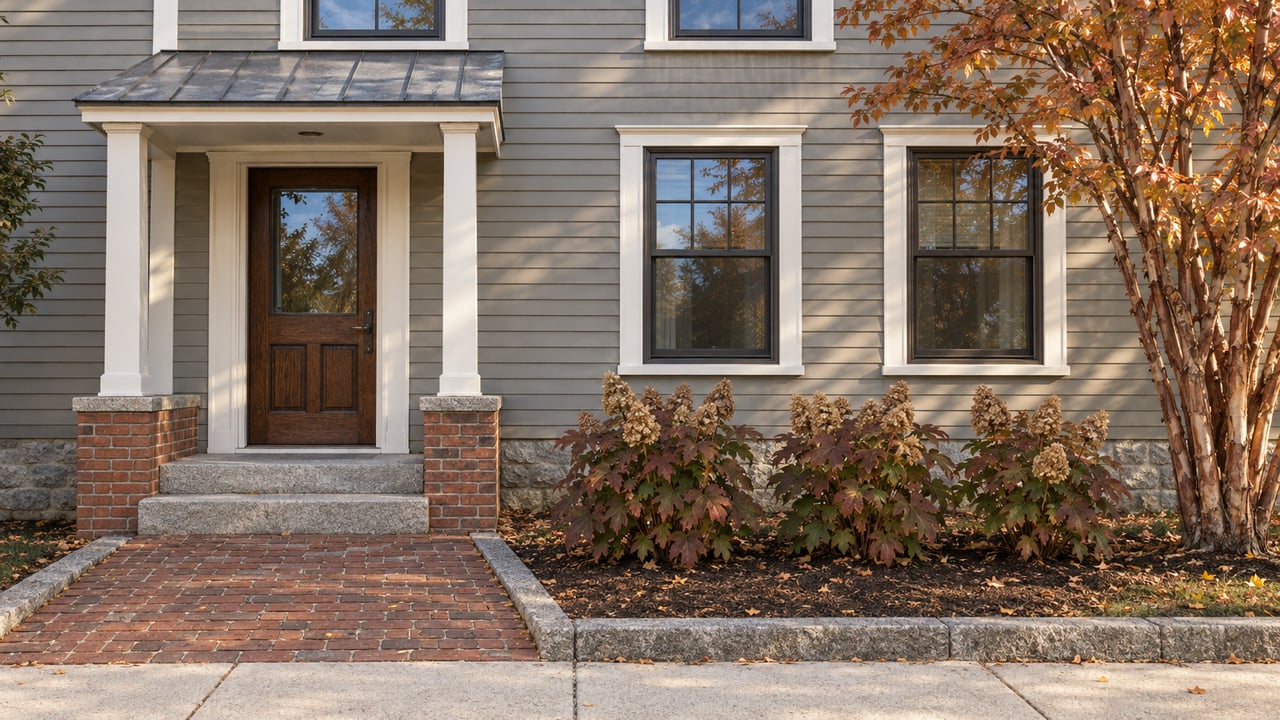
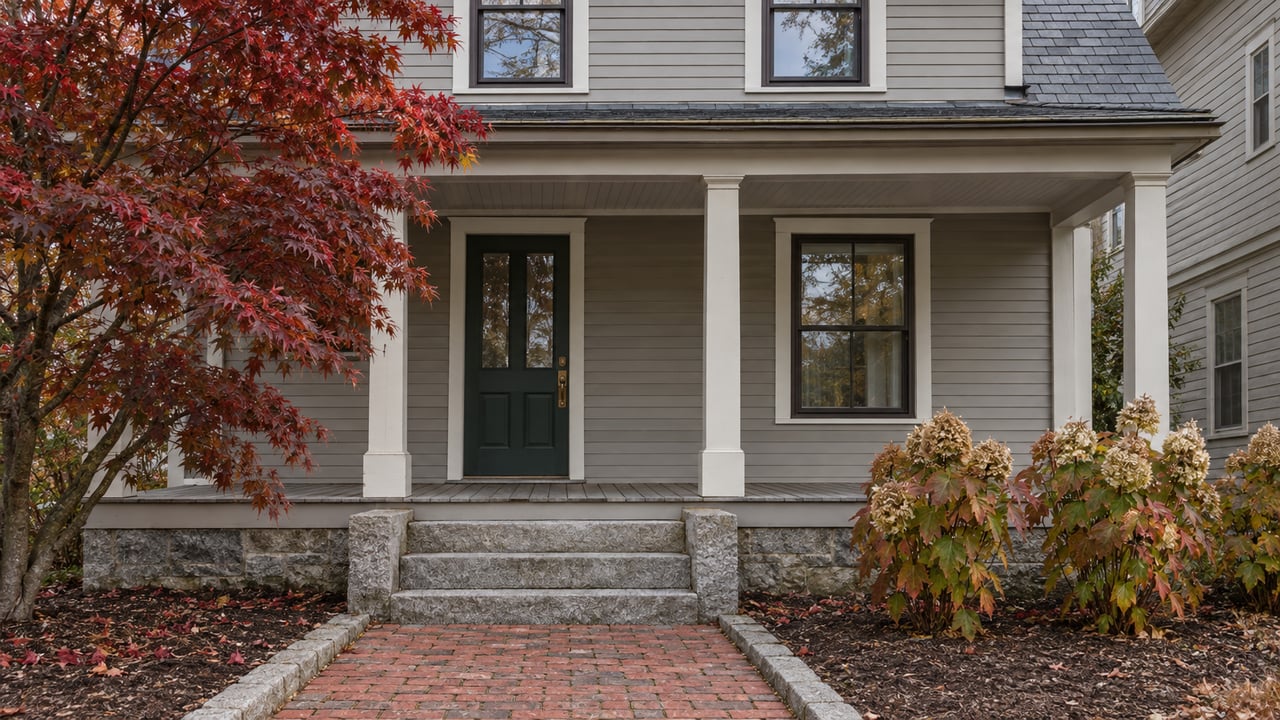
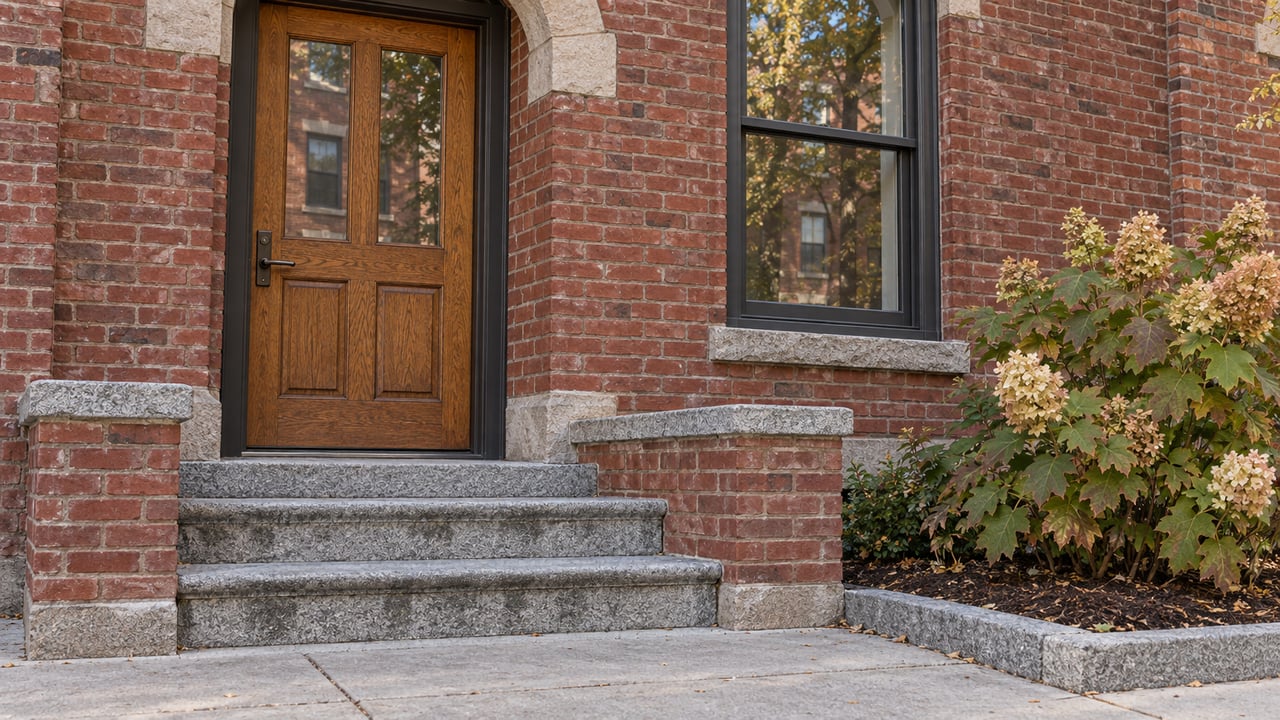
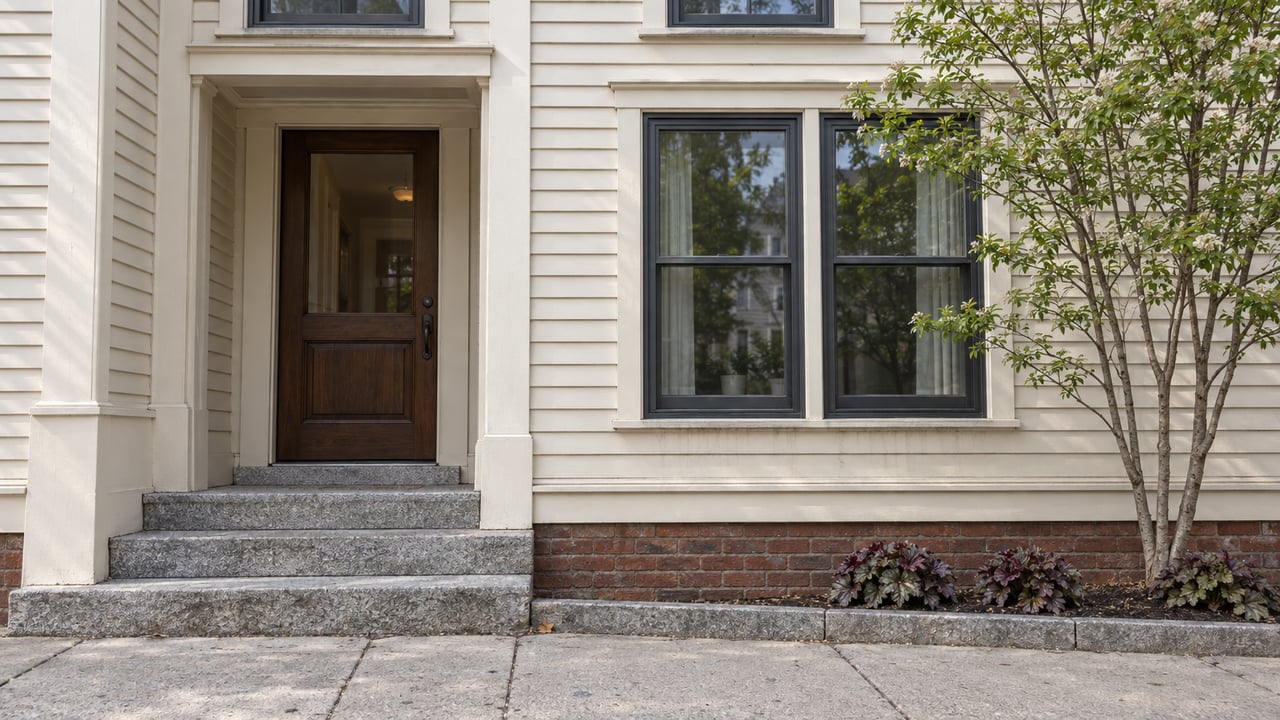
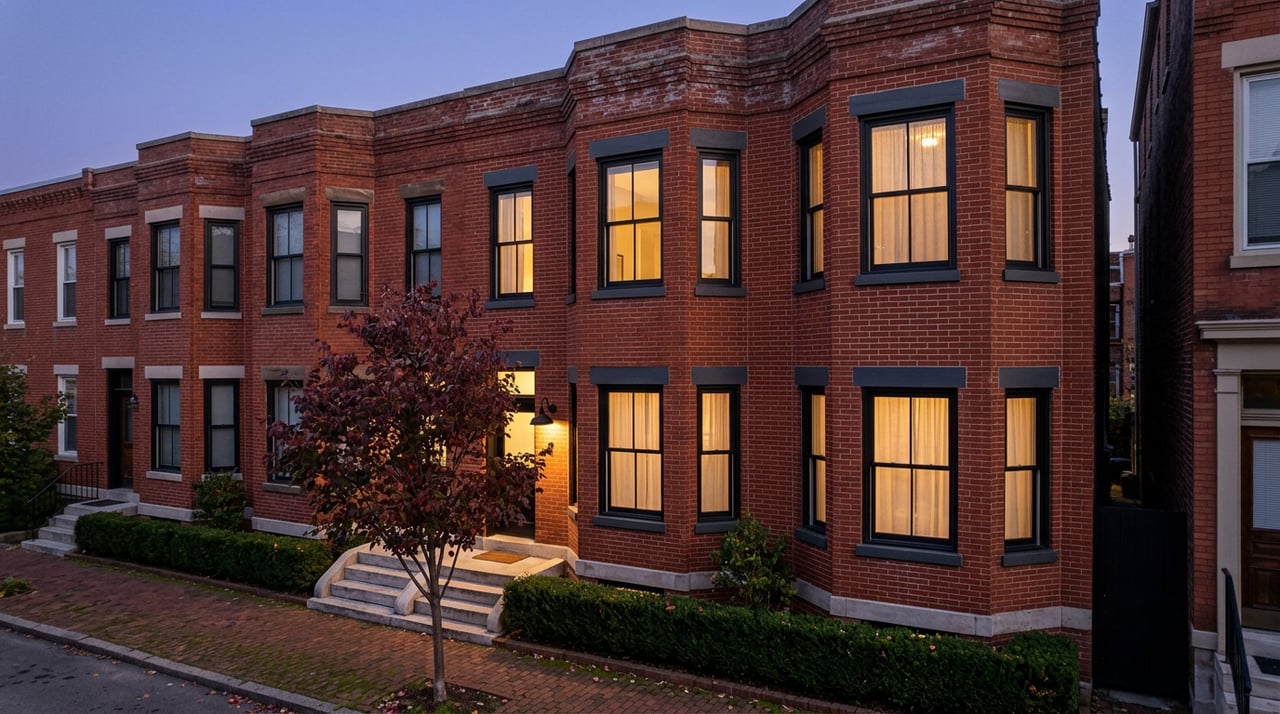
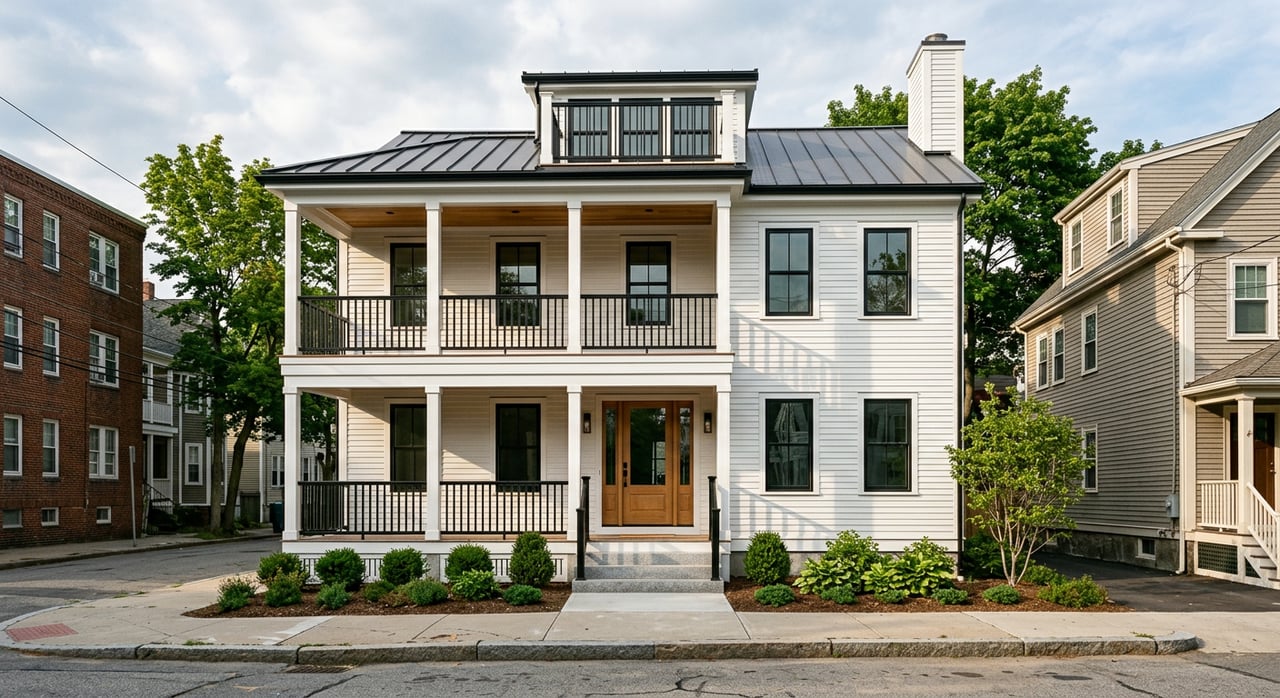
Somerville’s housing stock blends historic and modern. You will see late-19th and early-20th century homes, including the region’s signature triple-decker buildings, along with two- and three-family properties and brick rowhouses. In recent years, mid- and high-rise condo projects have clustered near Union Square and Assembly Row, offering elevator living and modern amenities near transit and retail. For a quick history of the triple-decker form that shapes so many Somerville blocks, read the Boston Preservation Alliance overview.
Price and rent signals to watch
Somerville’s owner-occupied housing values sit in the high 800s to low 900s on a median basis, and median gross rent is roughly in the low $2,000s, based on U.S. Census Bureau estimates. Always check current listings for daily pricing, since numbers move by property type and neighborhood. Review the latest ACS indicators in Census QuickFacts before you finalize a budget.
Where the value tends to concentrate
- Transit-adjacent squares like Davis, Union, and Assembly typically command higher prices for similar unit sizes, reflecting time savings and convenience.
- Many owner-occupied purchases are condos, often created from multi-family conversions over the years.
- Larger multi-family buildings and new-build condos cluster near the GLX stations and Assembly Row. GLX has catalyzed development and is a major value driver. Learn more on the city’s GLX project page.
Everyday life: neighborhoods, parks, and culture
Davis Square
Davis is Somerville’s classic indie square, known for the Somerville Theatre, cafes, and a lively dining scene. Red Line access makes commutes straightforward and supports a car-light lifestyle. For broader context on the city’s neighborhood fabric, visit the Somerville, Massachusetts overview.
Union Square
Union has changed fast, with new restaurants, bars, and mixed-use projects. The GLX Union Square station raised its profile and cut travel times. The square also hosts long-running community events, including the playful What the Fluff festival. See the city’s listing for the Fluff Festival details to get a feel for the local vibe.
Assembly Row
Along the Mystic River, Assembly Row offers outlet and brand retail, dining, entertainment, offices, and residential options. The Orange Line’s Assembly station sits in the heart of the district, and I-93 access is close by. The waterfront green space, Sylvester Baxter Riverfront Park, anchors the area’s outdoor life. Explore the mix of uses at Assembly Row and learn about Sylvester Baxter Riverfront Park.
Parks and green space
Somerville’s parks play a big role in daily life. Prospect Hill Park offers city views and a restored memorial tower, while neighborhood parks like Powderhouse and Seven Hills serve picnics, play, and events. For history and access details, see Prospect Hill Park. The Community Path and Baxter Riverfront Park expand options for biking, jogging, and weekend walks.
Arts, music, and events
Somerville’s arts community is active year-round, from open studios to neighborhood concerts. PorchFest spreads live music across porches citywide, and Union Square’s food scene keeps growing. For a sample of the event calendar, see the city’s PorchFest post.
Somerville vs. Cambridge, Newton, and Framingham
- Cambridge: Similar transit orientation and very high walkability, with many neighborhoods near Red and Green Line branches. Overall prices in some Cambridge submarkets skew higher, reflecting proximity to major universities and research hubs. Compare walkability across towns on Walk Score’s Massachusetts page.
- Newton: More suburban in feel, with a large single-family inventory and village centers. Commutes to downtown Boston can be longer, though commuter rail and some express buses help.
- Framingham: Farther west with more space and a wider range of prices. Commutes to Boston are longer, which is a tradeoff for budget.
Practical tradeoffs to plan for
Parking and car ownership
Curb parking is tight near the busy squares. Many buyers who need a driveway or garage prioritize the city’s edges or properties with off-street parking. Because Somerville is so transit- and bike-friendly, many households own fewer cars than in traditional suburbs. Review citywide patterns in Census QuickFacts and confirm permit requirements with the city before you move.
Noise and nightlife
Squares like Davis and Union stay lively late into the evening, especially on weekends. If you prefer quieter nights, consider side streets set back from commercial cores and check event calendars if you plan to live close to venues. For a broad city overview, start with the Somerville, Massachusetts page.
Schools and resources
Somerville Public Schools organizes K–8 schools by neighborhood and serves students citywide, with Somerville High as the central high school. School metrics and programs can shift each year. To compare enrollment, class sizes, and other data, see the Massachusetts DESE district profiles at the Somerville Public Schools page on DESE. Always verify the latest information directly with the district.
Safety context
Citywide crime statistics vary by source and tend to cluster near busy retail areas. Residential side streets may see different patterns than commercial corridors. For a broad overview that compiles FBI-reported numbers, view NeighborhoodScout’s Somerville crime summary and compare it with local police reports for block-level detail.
Buyer checklist: choose your fit
- Prioritize transit: Decide whether Red, Green, or Orange Line access best fits your commute, then focus on homes within a 10 to 12 minute walk of those stations.
- Test the lifestyle: Visit morning, afternoon, and late evening to feel the noise level, foot traffic, and parking rhythm on your target block.
- Weigh the tradeoffs: Transit-proximate condos trade outdoor space and parking for convenience. Farther out can mean more space and quiet.
- Scrutinize build quality: For renovated and new construction units, ask about insulation, HVAC type, sound attenuation, and any warranties.
- Plan for bikes and storage: If you’ll ride the Community Path, confirm secure bike storage and elevator or bulkhead access.
Seller playbook: highlight what matters now
- Lead with transit: Proximity to GLX stations, Davis Red Line, or Assembly Orange Line is a headline feature. Include actual walking times.
- Elevate mobility perks: Mention the Community Path, Bluebikes docks, and frequent bus routes when nearby. Use the city’s Mobility Department as a reference for route context.
- Clarify parking: State whether parking is off-street, on-street with a resident permit, or leased nearby.
- Prep for scrutiny: For multi-family listings, assemble rent rolls, utility splits, and any recent capital improvements. For condos, review association reserves and upcoming projects.
Investor notes: multi-family and transit-driven demand
Somerville’s low owner-occupancy rate, deep rental pool, and growing transit access attract long-hold investors. Triple-decker and two-family stock remain common, with many past conversions and ongoing opportunities near GLX and Assembly Row. To position a rental or condo conversion well, focus on durable finishes, storage, bike amenities, and clear access to transit. For development and policy context, review the city’s Green Line Extension updates and monitor MBTA bus network changes.
Is Somerville right for you?
If you value quick transit into Boston, an active dining scene, and a mix of historic homes and modern condos, Somerville checks those boxes. The tradeoffs are real: parking can be tight, prices near stations are higher, and lifestyle varies block by block. With a clear plan and the right guidance, you can target the square, building type, and layout that match your day-to-day needs.
Ready to map your move or sale with a straightforward strategy? Connect with John Raposo to schedule a consultation.
FAQs
How does Somerville’s transit access compare to other Boston suburbs?
- Somerville has direct Red, Green, and Orange Line service plus a busy bus network, which is more subway access than most suburbs. See the city’s GLX updates and Mobility Department for local details.
What are typical home values and rents in Somerville?
- U.S. Census estimates place owner-occupied median values in the high 800s to low 900s and median gross rent in the low $2,000s. Check the latest in Census QuickFacts.
Which Somerville neighborhoods are most walkable?
- Squares like Davis, Union, and Assembly offer strong walkability near transit, dining, and services. Compare town-by-town scores on Walk Score’s Massachusetts page.
Where can I see official information about Somerville schools?
- The Massachusetts Department of Elementary and Secondary Education maintains detailed district and school profiles. Start with the Somerville DESE profiles.
What development trends should buyers and sellers watch in Somerville?
- New housing and mixed-use projects continue to cluster around GLX stations and Assembly Row, and MBTA bus upgrades are reshaping crosstown trips. Review the city’s Green Line Extension page and MBTA bus changes coverage.
What should I know about parking and car ownership in Somerville?
- On-street parking is common and can be tight near squares; many households own fewer cars than in traditional suburbs. For citywide context, see Census QuickFacts and confirm resident permit rules with the city.