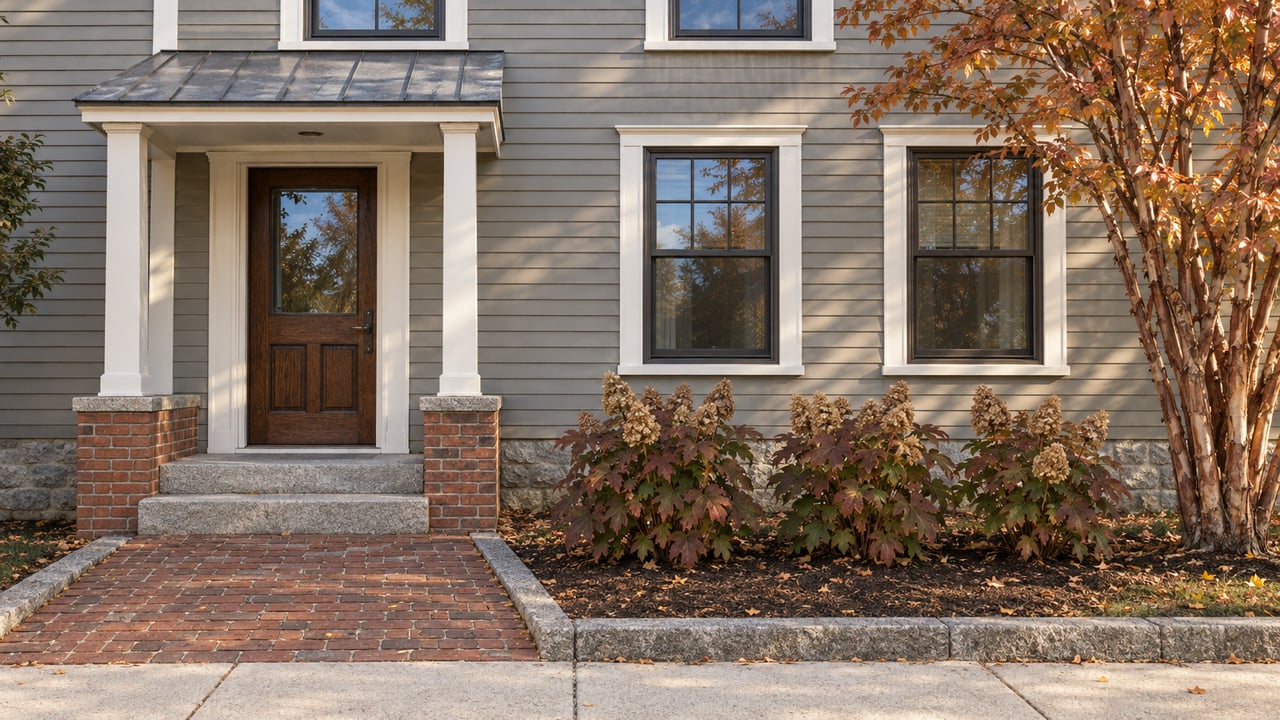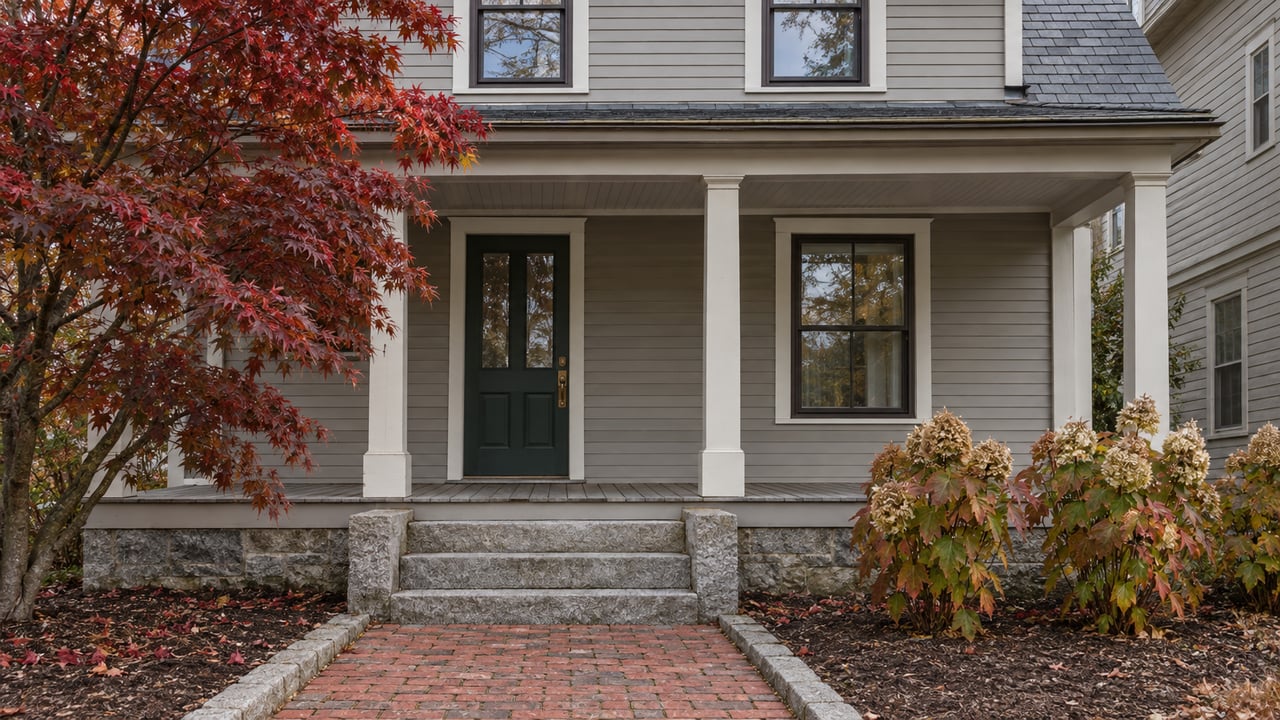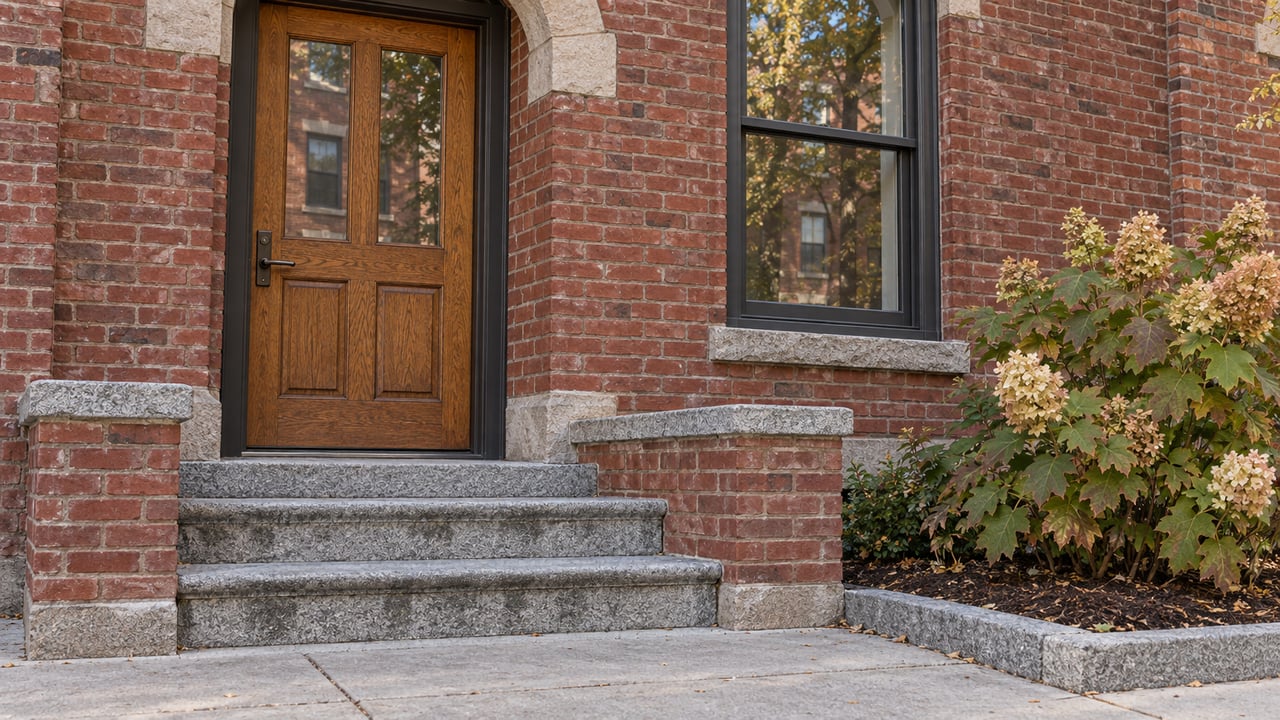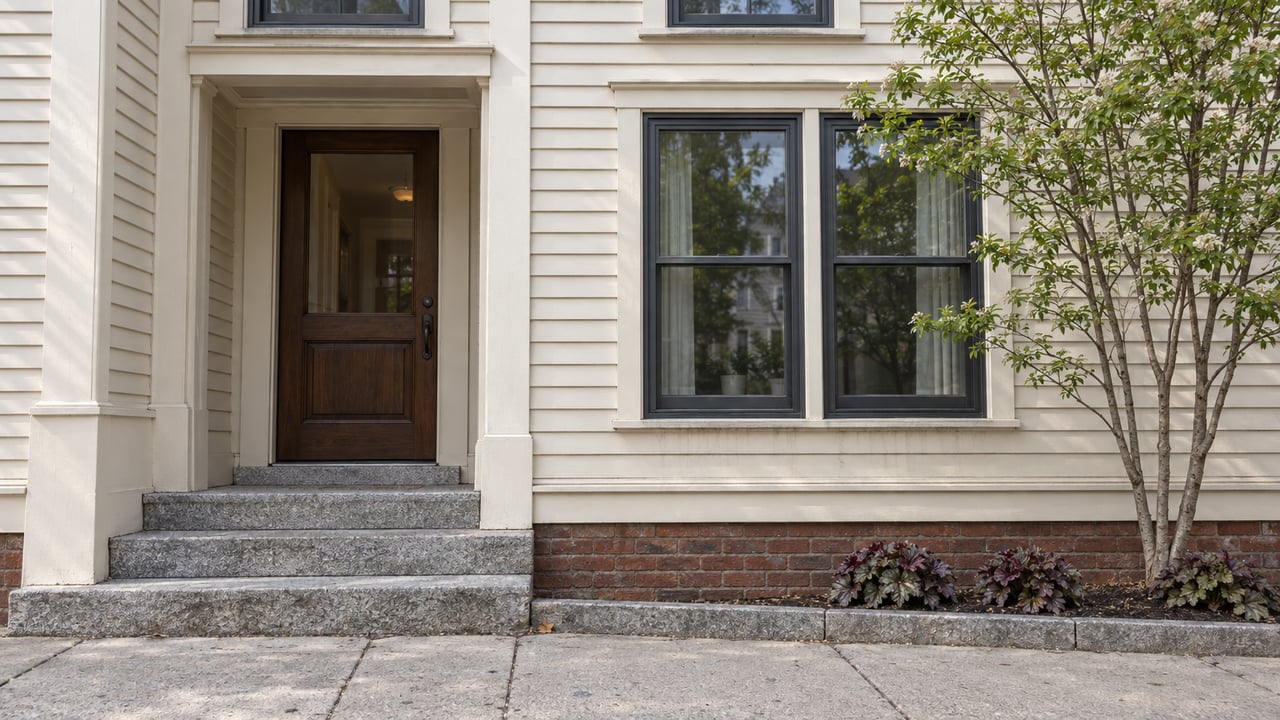

In today’s fast-changing real estate landscape, a growing number of homeowners are making a bold, debt-free move: selling their current homes, downsizing, and purchasing their next home entirely in cash. It's a trend that combines smart financial planning, simplicity, and peace of mind, especially for those approaching retirement or seeking a more manageable lifestyle.
Here’s what’s behind this shift, who’s driving it, and what you should consider if you’re thinking about following the same path.
What Is “Downsizing Without Debt”?
Downsizing without debt means selling your existing (often larger) home and using the proceeds, along with personal savings, if needed, to purchase a smaller or less expensive property without taking out a mortgage.
This strategy eliminates monthly loan payments and can dramatically reduce household expenses. It's especially appealing for retirees or homeowners who’ve built up substantial equity and are looking to simplify their finances.
Why More Homeowners Are Choosing This Route
1. High Home Equity
Many long-time homeowners have paid off their mortgages or significantly reduced their home loans over time. With rising property values in many regions, they’ve gained substantial equity — often enough to buy their next home outright.
2. A Desire for Simplicity and Stability
Owning a smaller, more efficient home means lower utility bills, less maintenance, and fewer property taxes. Removing mortgage payments entirely adds financial freedom and peace of mind, especially for those living on fixed incomes.
3. Retirement-Ready Living
For retirees, having no mortgage can mean the difference between financial strain and financial ease. It reduces monthly obligations and makes budgeting in retirement simpler.
4. A Competitive Edge in Hot Markets
Cash buyers often have an edge in today’s competitive housing markets. Sellers are more likely to accept all-cash offers because they’re faster and involve fewer risks, like failed financing or long closing times.
5. Rising Interest Rates
When mortgage interest rates are high, borrowing becomes expensive. In such scenarios, paying with cash not only avoids interest costs but can make a purchase more affordable over time.
Who Is Downsizing Without Debt?
This trend is especially common among:
-
Retirees and older adults are looking to simplify and reduce costs.
-
Homeowners in high-value areas who can sell at a profit and buy in more affordable regions.
-
People are seeking lifestyle changes, such as moving closer to family, living in a walkable town, or embracing minimalist living.
Benefits of Buying a Home in Cash
✅ No Mortgage Payments Enjoy complete ownership and full control of your property without the burden of monthly payments.
✅ Lower Living Expenses Smaller homes often come with lower taxes, insurance, and maintenance costs.
✅ Less Financial Risk You won’t be affected by rising interest rates or changes in loan terms.
✅ Faster Transactions Cash deals typically close quickly, with fewer complications.
✅ Peace of Mind Living mortgage-free can reduce financial stress and provide a stronger sense of security.
Things to Consider Before Making the Move
While this approach has many upsides, it’s important to consider the full picture:
🔸 Liquidity: Putting a large chunk of money into real estate may reduce your access to cash for emergencies or investment opportunities. 🔸 Opportunity Cost: Could that money earn more if invested elsewhere? Sometimes, keeping a small mortgage and investing the difference could grow your wealth faster. 🔸 Lifestyle Adjustments: A smaller home or new location may involve sacrifices in space, convenience, or comfort. 🔸 Tax Implications: Be aware of capital gains tax on your current home sale and stamp duty or property taxes on your new purchase.
Tips for Downsizing the Smart Way
-
Get a Home Valuation: Know exactly how much equity you’ll walk away with after selling.
-
Set a Realistic Budget: Include all purchase costs — not just the home price, but also taxes, moving costs, and any renovations.
-
Choose the Right Location: Consider proximity to family, healthcare, walkability, and lifestyle fit.
-
Don’t Drain Your Savings: Keep a cash cushion for emergencies or future needs.
-
Speak with a Financial Advisor: Make sure your downsizing plan aligns with your long-term goals.
Is This Trend Happening Globally?
While this trend is especially noticeable in the U.S., where home equity levels have soared in recent years, similar patterns are emerging in other countries too. In India, for example, some homeowners in metro cities like Mumbai, Delhi, and Kolkata are also downsizing and moving to tier-2 cities or suburbs where homes are more affordable and life is less hectic.
Final Thoughts
Downsizing without debt isn’t just a real estate move; it’s a lifestyle and financial decision that can offer lasting benefits. Whether you’re planning for retirement, aiming for a simpler life, or seeking financial freedom, going mortgage-free in your next home might be the key to unlocking your next chapter.