Trying to choose between Medford and Somerville? You are not alone. These two close-in communities can both put you near transit, local businesses, and Greater Boston convenience, but they offer very different day-to-day living experiences. If you are deciding where to put down roots, this guide will help you compare price, housing options, commute patterns, and lifestyle so you can focus on the tradeoffs that matter most. Let’s dive in.
Start With The Core Tradeoff
If you strip away the noise, the choice often comes down to this: do you want more space and broader housing variety, or do you want more density and urban convenience? That is the clearest difference between Medford and Somerville right now.
Medford tends to offer a somewhat lower price point, a larger share of detached homes and two-family properties, and easier access to bigger open-space amenities. Somerville tends to offer more transit intensity, more walkable destination areas, and a housing mix that leans more heavily toward condos, triple-deckers, and other multi-unit options.
Neither city is “better” across the board. The better fit is the one that lines up with how you want to live every day.
Compare Housing Types
Medford Has More House Variety
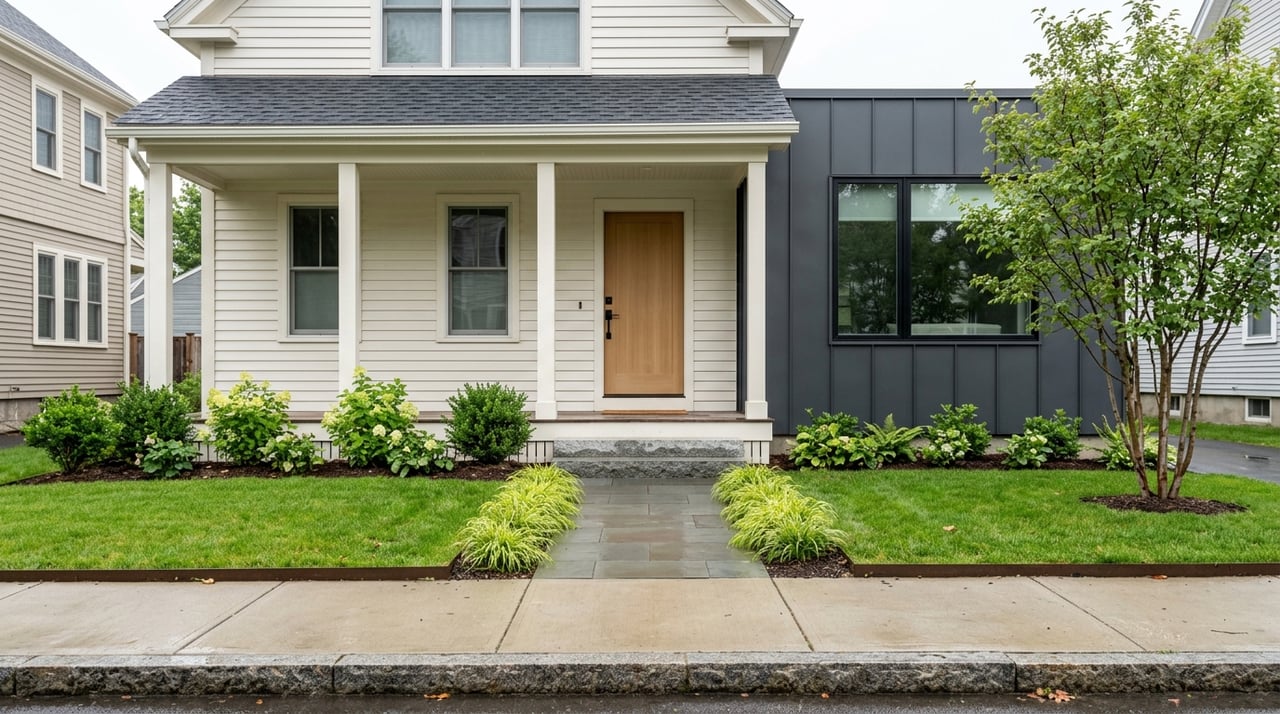
Medford’s housing stock includes a much larger share of detached homes than Somerville. Census-derived data show 35.7% of Medford units are 1-unit detached homes, while 34.8% are in 2-unit buildings.
That mix gives you more chances to find traditional single-family homes, two-families, and homes with a little more separation from neighboring properties. If your wish list includes more interior space, a different layout mix, or a less dense feel, Medford may give you more options to work with.
Somerville Is More Multi-Unit
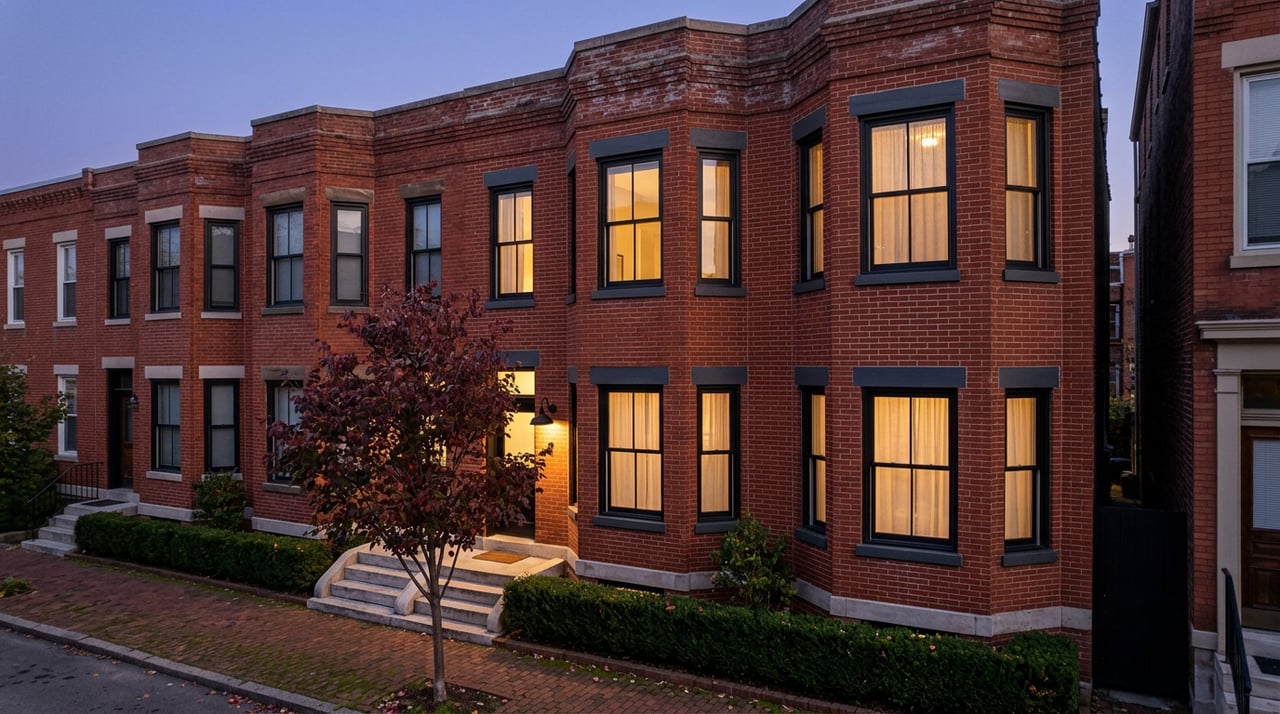
Somerville’s housing stock is denser and more urban. Only 9.2% of housing units are 1-unit detached, while 34.6% are in 2-unit buildings and 28.8% are in 3- or 4-unit buildings.
In practical terms, that means your search in Somerville is more likely to center on condos, multi-family homes, and attached or closely spaced housing. If you want to be in the middle of a compact, active environment, that housing mix may feel like a feature rather than a compromise.
Compare Prices
Somerville Sits Higher On Price
Current market snapshots put Somerville above Medford on pricing. Realtor.com’s March 2026 data show a median listing price of $824,950 in Medford and $967,387 in Somerville.
Redfin’s March 2026 sold-price snapshots also show both markets running high, with Medford at $860,000 and Somerville at $903,450. On a per-square-foot basis, Somerville comes in higher as well, which suggests buyers are paying a premium for density, location, and transit access.
Both Markets Still Move Fast
You should expect competition in either city. Redfin describes both Medford and Somerville as very competitive, with about three offers on average and roughly 25 days on market in each city.
Realtor.com frames Medford as a seller’s market and Somerville as a balanced market in its March 2026 snapshot. Even with that slight difference, buyers in both places should be prepared to act decisively when the right property comes up.
Look Beyond The City Name
Neighborhood Prices Vary A Lot
One of the biggest mistakes buyers make is treating Medford and Somerville as single-price markets. In reality, there is meaningful variation within each city.
In Medford, Realtor.com’s March 2026 neighborhood data show Wellington around $754,000 and West Medford around $977,500. In Somerville, Ten Hills is around $699,000, East Somerville around $899,450, and West Somerville around $1.295 million.
That spread matters. Sometimes the better answer is not “Medford or Somerville,” but rather which specific neighborhood and property type match your budget and priorities.
Compare Commute Options
Medford Offers More Transit Variety
Medford gives you more commuting modes than many buyers expect. The city says the Green Line serves Medford/Tufts and Ball Square, the Orange Line stops at Wellington, and the West Medford commuter rail stop connects to the Lowell Line into North Station.
The city also lists multiple MBTA bus routes and a Bluebikes network with 15 stations, including Medford Square, Tufts Square, West Medford, and Wellington Station. If you want flexibility, Medford gives you a strong mix of subway, commuter rail, bus, and bike-share options.
Somerville Leans Hard Into Transit And Biking
Somerville is the more transit-saturated option. The Green Line Extension serves five Somerville stations, and the city also has 14 bus routes, with pre-pandemic weekday ridership averaging 16,000 boardings.
Somerville also stands out for its bike and pedestrian infrastructure. The Community Path runs 3.2 miles from the Cambridge line toward East Cambridge near Lechmere, giving residents a useful off-street route for both recreation and daily travel.
What That Means For Daily Life
If your goal is to reduce driving as much as possible, Somerville often makes that easier. Its network is more concentrated, and the city’s layout supports shorter trips between transit, errands, and dining.
If you want strong transit options but also value a slightly broader residential footprint and more housing variety, Medford may feel more balanced. It still gives you multiple ways to get around, just in a less tightly packed setting.
Compare Day-To-Day Lifestyle
Medford Feels More Open And Spread Out
Medford’s city materials highlight more than 300 acres of city-maintained open space, over 10 parks, and ten neighborhoods with five squares. The city also points to amenities like Wright’s Pond, Tufts Pool, Condon Shell, Clippership Pop-Up Park, and the Medford Library.
Medford also connects to the Middlesex Fells Reservation and the Mystic River State Reservation. For many buyers, that creates a stronger sense of breathing room without giving up access to Boston and nearby job centers.
Somerville Feels More Compact And Active
Somerville presents a different kind of convenience. The city highlights more than 20 squares, each with its own mix of housing and businesses, along with destination areas like Davis Square, Union Square, and Assembly Row.
The city also says Somerville has more than 80 parks and open spaces. Combined with the Community Path and mixed-use districts, that creates a more concentrated urban environment where restaurants, errands, transit, and recreation can often fit within a smaller radius.
Which City Fits Your Priorities?
Medford May Fit You Better If You Want
- A somewhat lower price tier than Somerville
- More detached homes and two-family options
- A little more space in the overall feel of the city
- Access to larger open-space amenities
- Strong commuting options across rail, bus, and bike-share
Somerville May Fit You Better If You Want
- More walkability and urban energy
- A denser housing and street pattern
- Easier car-light or car-free daily routines
- More transit intensity
- A location-driven market with strong neighborhood identity
A Practical Way To Decide
If you are still torn, focus on your top three non-negotiables. For example, maybe you care most about commute time, housing type, and budget ceiling. Or maybe your list is walkability, outdoor access, and future resale flexibility.
Once you rank those priorities, the decision usually gets clearer. Buyers who want more housing variety and a little more room often lean toward Medford. Buyers who want a denser, more transit-connected lifestyle often lean toward Somerville.
Final Thoughts
The real answer is not which city wins on paper. It is which one supports the way you want to live for the next several years.
Medford offers broader housing variety, a somewhat lower pricing tier, and a more spacious feel. Somerville offers stronger urban intensity, deeper transit access, and a more concentrated live-near-everything experience.
If you want clear, local guidance on which neighborhoods and property types make the most sense for your budget and goals, schedule a consultation with John Raposo.
FAQs
How do Medford and Somerville compare on home prices?
- March 2026 market snapshots show Somerville priced above Medford, with Realtor.com reporting a median listing price of $967,387 in Somerville and $824,950 in Medford.
What types of homes are more common in Medford versus Somerville?
- Medford has a larger share of detached homes and 2-unit properties, while Somerville has a denser mix with more 2-unit, 3-unit, 4-unit, and condo-style housing.
Which city has better transit access for commuting?
- Both offer strong transit access, but Medford provides a broader mix of modes while Somerville offers more concentrated transit coverage and stronger walk-bike infrastructure.
Is Medford or Somerville better for buyers who want more space?
- Medford is generally the better fit for buyers who want more space, a less dense feel, and easier access to detached homes or larger open-space amenities.
Is Somerville or Medford better for a walkable lifestyle?
- Somerville is typically the stronger fit for buyers who want walkability, denser mixed-use areas, and a more urban day-to-day experience.
Should you compare neighborhoods instead of just comparing cities?
- Yes. Pricing and housing options vary a lot by neighborhood, so your best fit often depends on the specific area and property type rather than the city name alone.