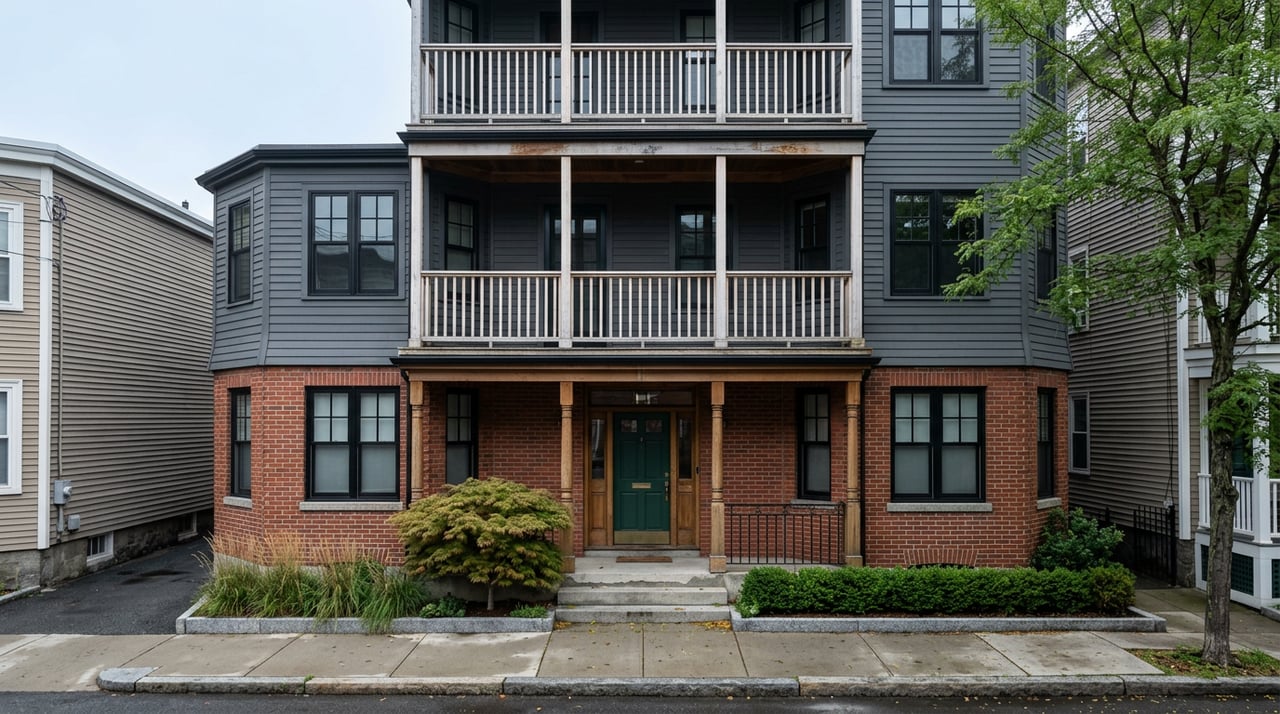
Urban landscapes are evolving, and so is the way people live, work, and play. Over the past decade, mixed-use developments—projects that combine residential, commercial, and sometimes even recreational spaces into a single, integrated environment—have surged in popularity. Investors are increasingly drawn to these developments, recognizing them as not only a trend but a strategic opportunity in the modern real estate market.
What Are Mixed-Use Developments?
Mixed-use developments (MUDs) are designed to create communities where people can live, work, shop, and socialize within a compact area. They typically blend apartments or condominiums with retail stores, restaurants, offices, and sometimes hotels or entertainment venues. The goal is to foster a sense of community, reduce reliance on commuting, and create a vibrant urban ecosystem that attracts a steady flow of foot traffic.
Why Investors Are Paying Attention
-
Diversified Revenue Streams One of the most appealing aspects of mixed-use developments is their ability to generate multiple streams of income. Residential units provide steady rental income, while retail and office spaces can yield higher returns through leases with businesses. This diversification can help investors hedge against economic fluctuations in a single sector.
-
Higher Property Values and Demand Properties in mixed-use developments often enjoy higher appreciation rates. The convenience of having amenities, workplaces, and entertainment nearby attracts tenants and buyers alike. Urban professionals, in particular, are drawn to the “live-work-play” lifestyle, creating sustained demand for these properties.
-
Resilience in Changing Markets The pandemic reshaped how people think about work and living spaces. While some commercial sectors struggled, mixed-use developments demonstrated resilience. Residents and businesses alike value spaces that allow flexibility, convenience, and a sense of community, making these properties less vulnerable to market shocks.
-
Urbanization and Demographic Trends As cities grow and urban populations increase, space becomes scarcer. Mixed-use developments maximize land use efficiently while catering to Millennials and Gen Z, who prioritize convenience, sustainability, and walkable neighborhoods. Investors recognize that these demographic trends are long-term drivers of demand.
-
Sustainability and Smart Growth Mixed-use projects often integrate sustainable design and smart urban planning. They reduce the need for car travel, support public transportation, and promote energy-efficient buildings. With increasing attention to ESG (Environmental, Social, and Governance) investing, sustainable mixed-use developments become more attractive to forward-thinking investors.
Challenges to Consider
Despite the clear advantages, mixed-use developments are complex and require careful planning. They often involve higher upfront costs, zoning challenges, and intricate management due to the variety of tenants and uses. Investors need to partner with experienced developers and city planners to mitigate risks.
The Bottom Line
Mixed-use developments are more than a real estate trend—they represent a strategic response to evolving urban lifestyles and economic realities. For investors, they offer diversified income, higher long-term returns, and resilience against market fluctuations. As cities continue to grow and lifestyles continue to shift toward convenience and community, mixed-use developments are positioned to remain a key focus in the investment landscape.