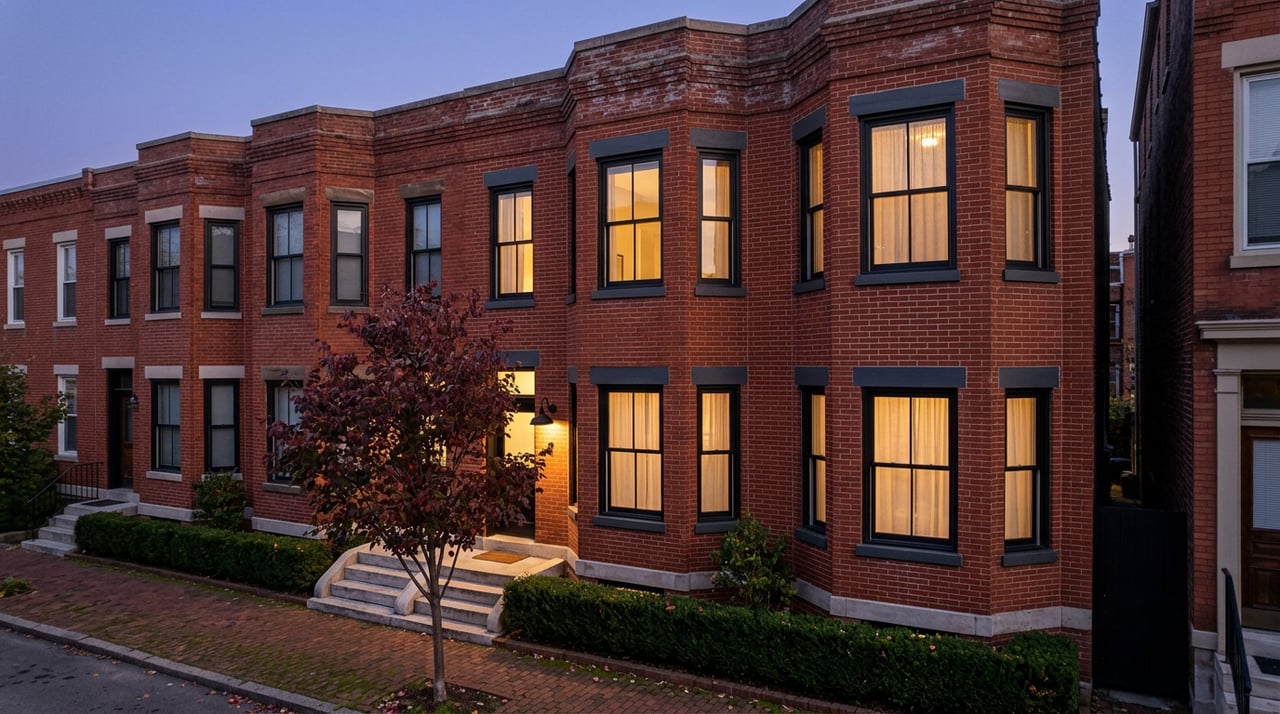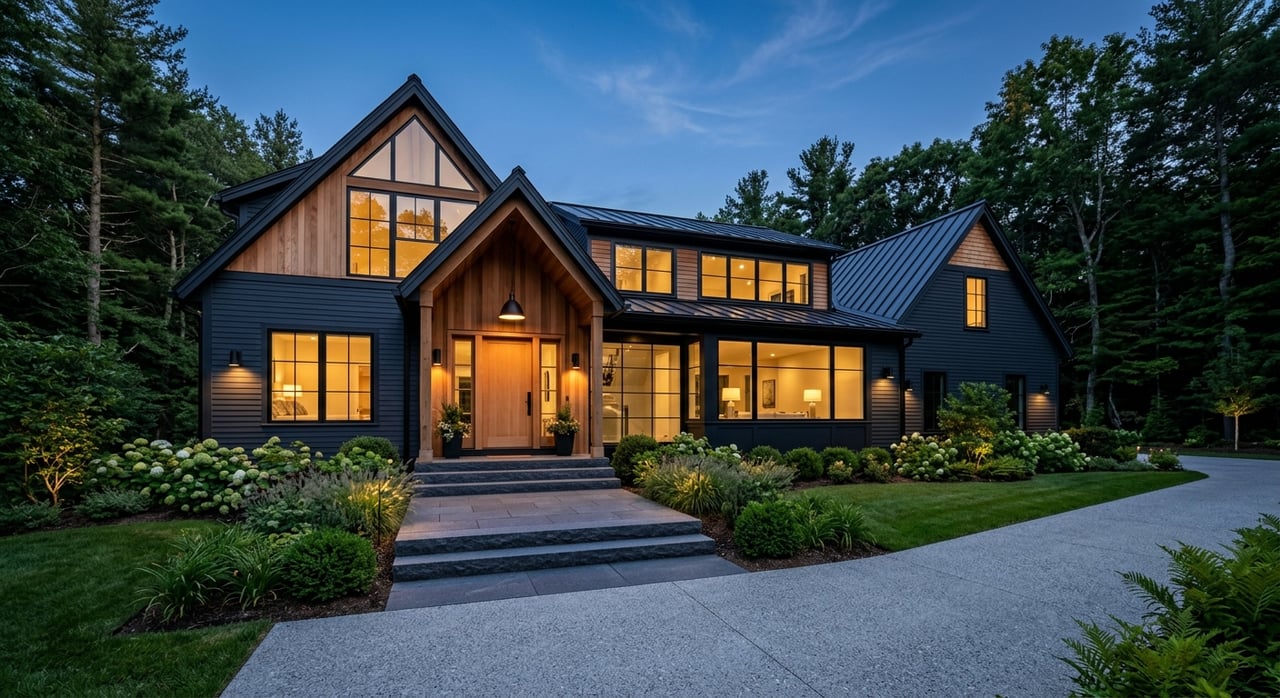
If your Somerville condo or Cambridge townhouse suddenly feels tight, you are not alone. Many move-up buyers reach a point where they want more square footage, more outdoor access, and a home that better fits the next stage of life without feeling disconnected from Boston. Winchester stands out for exactly that reason, and understanding why can help you decide if it is the right next move for you. Let’s dive in.
Winchester offers a true step up
For many buyers coming from Somerville or Cambridge, Winchester feels less like a compromise and more like a deliberate upgrade. It is not positioned as a budget alternative. It is a premium market where buyers are often trading smaller urban homes for more space, a different housing mix, and a quieter day-to-day setting.
That pattern shows up clearly in the numbers. Winchester has an owner-occupied housing rate of 81.7%, compared with 34.2% in Somerville and 33.5% in Cambridge. Households are also larger in Winchester at 2.77 persons per household, versus 2.19 in Somerville and 2.05 in Cambridge, which helps explain why it often appeals to buyers who feel they have outgrown city living.
Winchester is also expensive in its own right. The median value of owner-occupied housing units is $1,215,200 in Winchester, compared with $1,092,100 in Cambridge and $911,300 in Somerville. In practical terms, you are usually not moving there to save money. You are moving there to change how you live.
More space without losing access
One of Winchester’s biggest draws is that it gives you more room while keeping you connected to the region. The town describes itself as a mature suburban community with easy highway and commuter rail access, primarily single-family neighborhoods, a strong town center, and extensive historic and open-space assets.
That combination matters if you still work, socialize, or spend time in Somerville, Cambridge, or Boston. You can shift into a different home environment without feeling like you have stepped too far away from the places that shape your routine.
For move-up buyers, that balance is often the whole point. You may want an extra bedroom, a yard, or a quieter street, but you still want a practical path back into the city and surrounding communities.
Winchester’s housing stock feels different
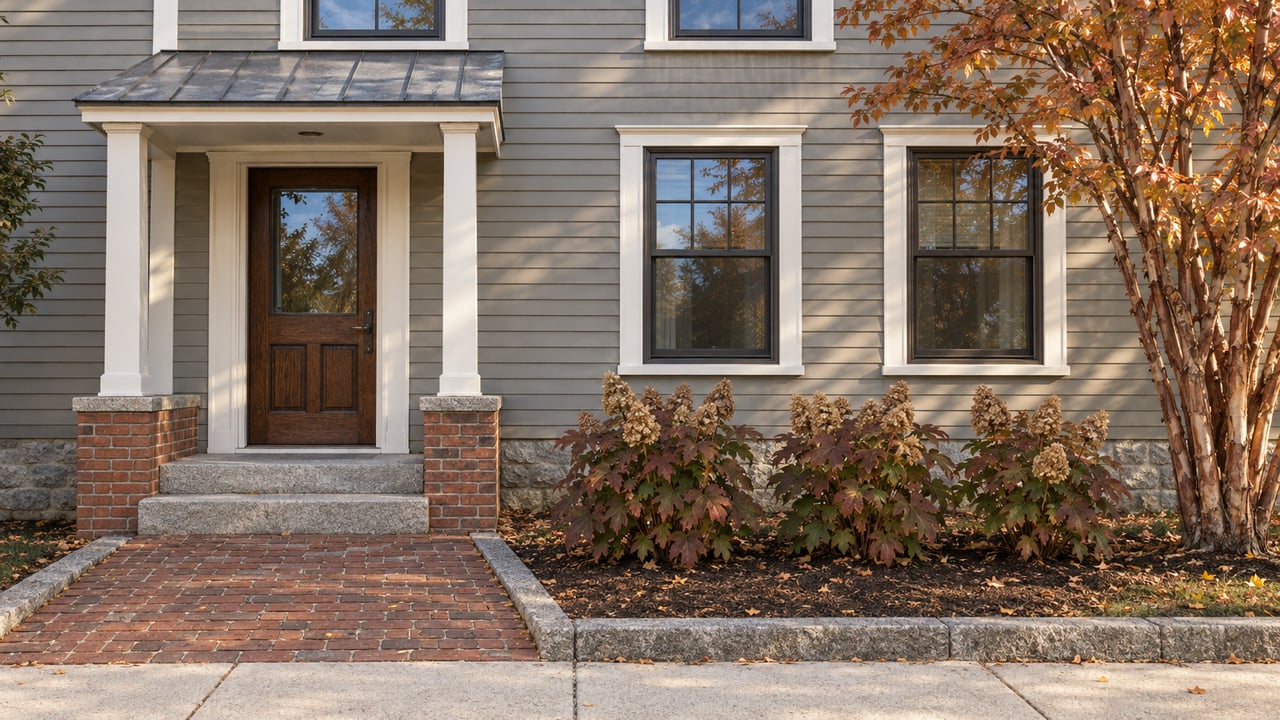
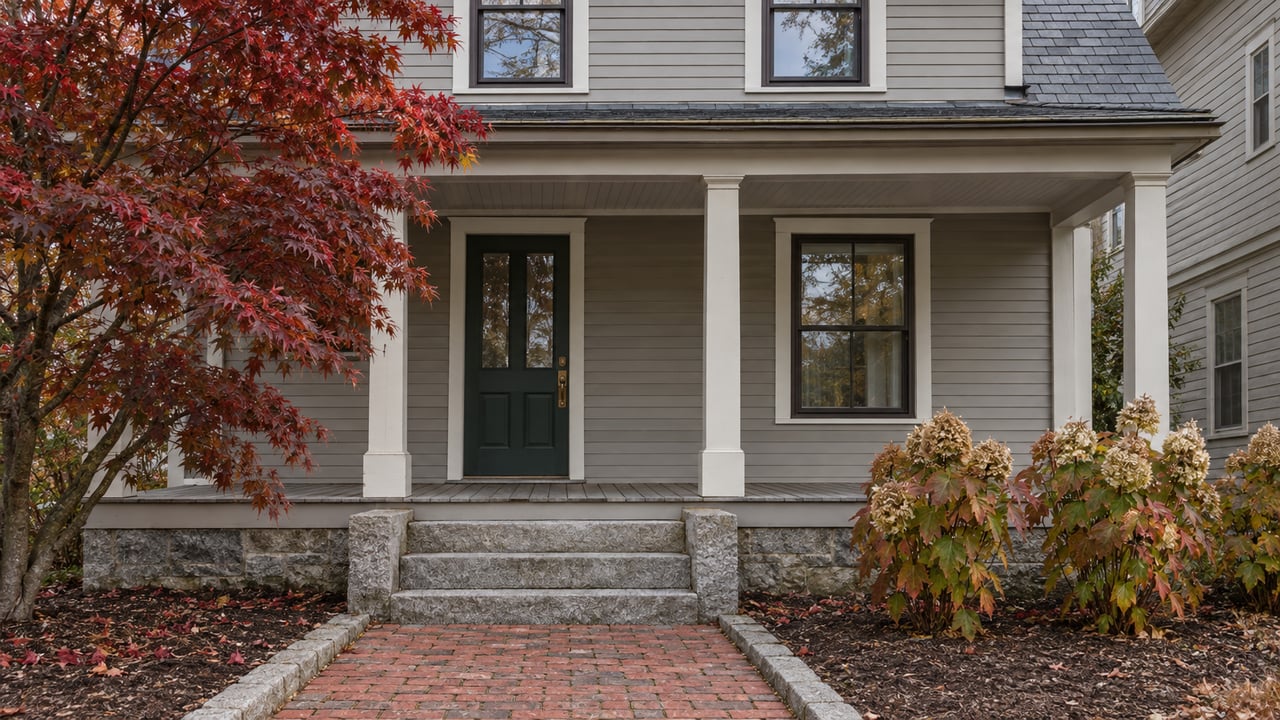
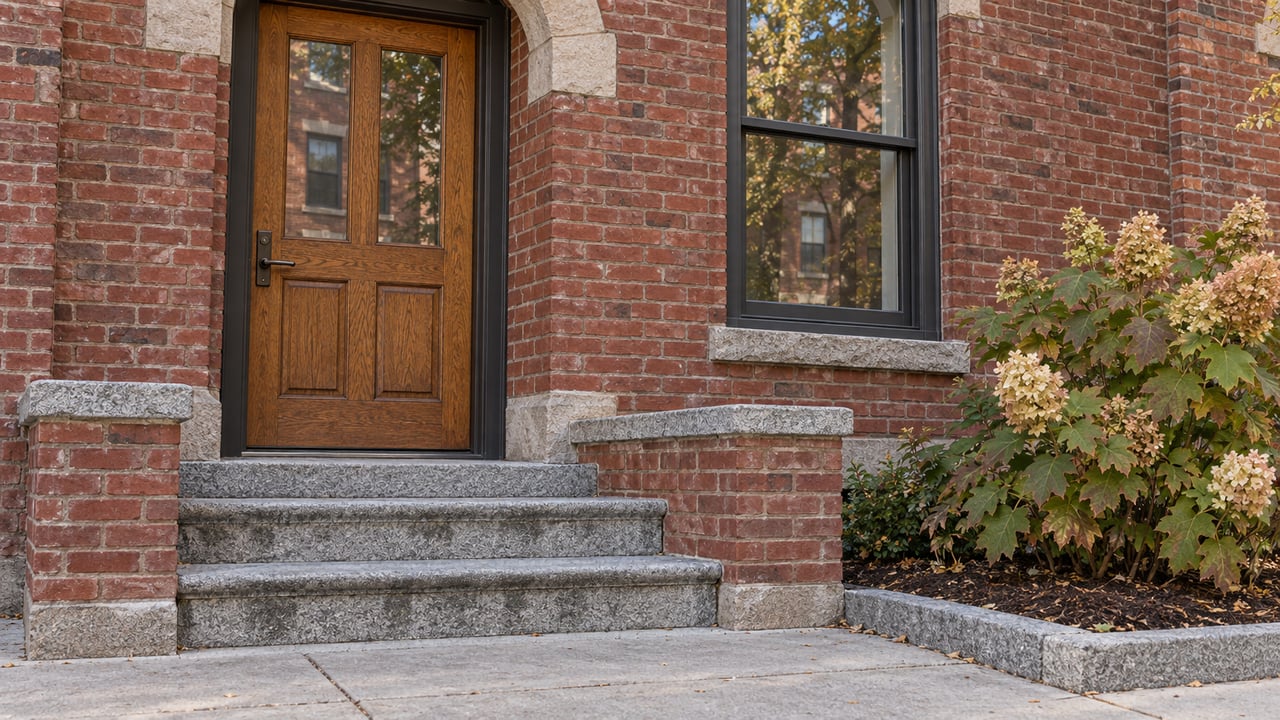
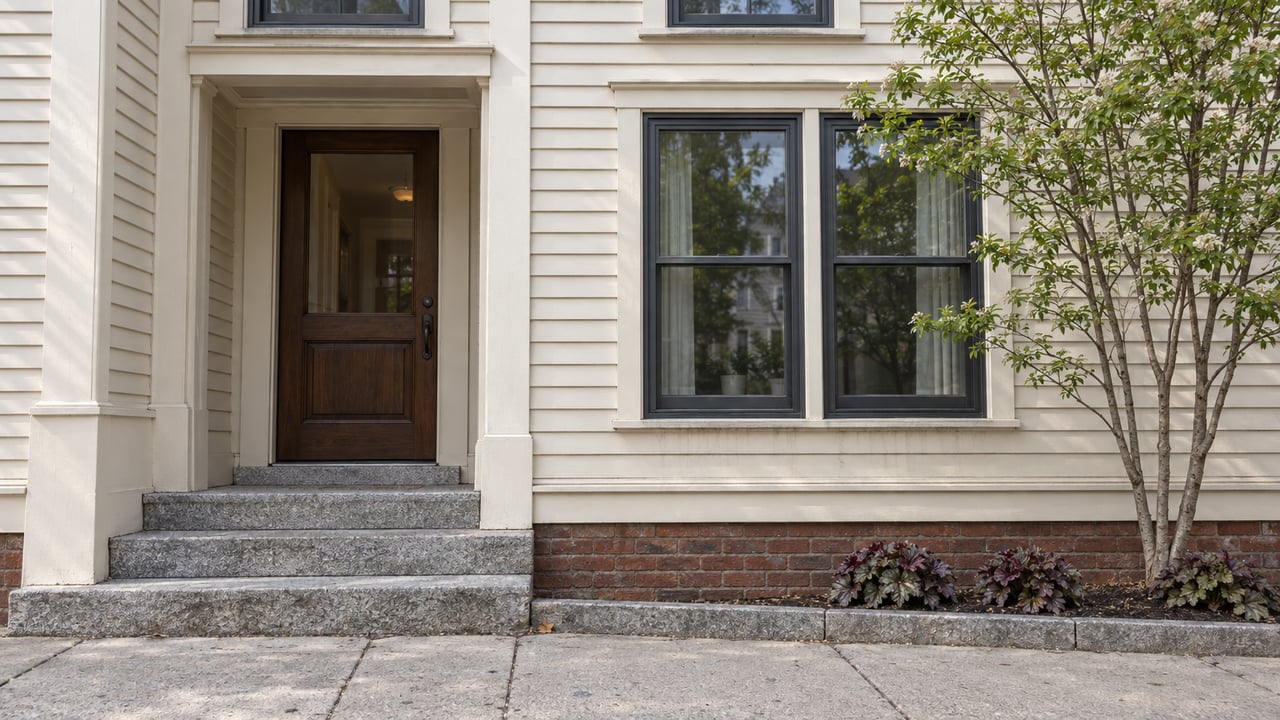
Winchester has a distinct housing fabric that gives the town much of its character. Town history materials describe a community shaped by Victorian-era development, with Mansard, Queen Anne, Colonial Revival, and Shingle-Style homes. Other town sources add Colonial and Federal farmhouses, postwar ranch houses, modern pattern-book homes, and condominiums to that mix.
That range creates a different buying experience than you often find in denser urban neighborhoods. Instead of focusing mainly on condos, attached homes, or smaller-footprint properties, many buyers in Winchester are looking at detached homes in established residential areas.
The town’s Master Plan also describes Winchester as having coherent, primarily single-family neighborhoods and a remarkable historic fabric. If you value architecture, street presence, and a sense of continuity from block to block, Winchester can feel especially compelling.
Historic character is part of the appeal
Winchester’s character is not accidental. The town notes that Winchester Center became a National Register Historic District in 1986, and that many homes and neighborhoods are listed on the National Register of Historic Places. The Historical Commission also actively surveys and protects historic resources.
For buyers, that can add meaning to the move. You are not just buying square footage. You are buying into a place with a visible civic identity, preserved streetscapes, and a built environment that has stayed recognizable over time.
That does not mean every home looks the same or every buyer wants a historic property. It does mean the town has a consistent sense of place, which is often part of what move-up buyers are searching for when they leave a more compressed urban setting.
The town center adds daily convenience
A suburban move can feel less appealing if it means giving up the ability to run errands, grab coffee, or enjoy local events close to home. Winchester addresses that concern with a town center that the town itself describes as compact, successful, and one of its most important assets.
Downtown Winchester was also designated as a Cultural District by the Massachusetts Cultural Council in 2019. Town materials highlight the Common, the renovated train station area, the farmers market, bookstores, studios, galleries, Jenks Community Center activities, and the broader village context.
That matters because it gives the town more than just residential appeal. For a buyer coming from Somerville or Cambridge, the presence of a real civic core can make the transition feel more natural. You still have a recognizable center of activity, even if the pace and scale are different.
Commuting from Winchester stays practical
For many move-up buyers, commute access is still a major decision point. Winchester’s transportation planning materials note that the Lowell Line stops at two Winchester stations, Wedgemere and Winchester Center. The town also identifies Winchester Center Station as being on the Lowell Line and about 7.8 miles from North Station.
Road access is another part of the equation. Town planning materials note that Winchester sits along Interstate 93 and near Route 128/95, which supports regional travel by car.
This is one of Winchester’s strongest advantages. You can gain space and a more suburban residential setting while keeping useful rail and highway connections to Boston and nearby communities.
Outdoor access changes everyday life
If you have spent years in Somerville or Cambridge, more green space can be one of the most noticeable lifestyle changes. Winchester’s natural environment materials highlight the Mystic Lakes, Wedge Pond beach, and the Town Forest. The Middlesex Fells Reservation also borders Winchester to the east.
Massachusetts describes the Middlesex Fells as a 2,575-acre reservation with more than 100 miles of trails. That kind of access can shift your routine in a real way, whether you like walking, running, biking, or simply having more room to unplug nearby.
The town’s transportation report also notes that the Tri-Community Greenway links Wedgemere Station to neighboring communities and connects into corridors reaching Somerville and Cambridge. For buyers who value both access and recreation, that is a meaningful part of the picture.
Why Somerville and Cambridge buyers look here
From a strategy standpoint, Winchester often makes sense for buyers who have built equity in Somerville or Cambridge and want to redeploy that equity into a larger or different kind of home. The move is usually about lifestyle, layout, and long-term fit more than bargain hunting.
A few common motivations tend to drive the search:
- You want more interior space for work, guests, storage, or changing household needs.
- You want a detached home or a more ownership-oriented neighborhood setting.
- You want easier access to open space and outdoor recreation.
- You still need practical access to Boston and nearby job centers.
- You want a town center that supports daily life without feeling fully urban.
That combination is what makes Winchester a credible next-step market. It offers a different living experience, but it does not ask you to give up the regional connections that likely matter to you now.
What to keep in mind before you move
Winchester can be a strong fit, but it helps to go in with clear expectations. This is not a cheaper substitute for Cambridge or Somerville. With a median owner-occupied home value above both cities, buyers should think carefully about budget, priorities, and what kind of trade-off they are actually making.
It also helps to define what “more space” means for you. For some buyers, that means a yard and more bedrooms. For others, it means a calmer setting, a different architectural style, or better access to green space and a town center.
A simple checklist can help:
- How much additional space do you truly need?
- Do you want a detached single-family home, or are you open to other housing types?
- How important is commuter rail access?
- How much do historic character and neighborhood feel matter to you?
- Are you looking for a quieter pace, or just a larger home base?
The clearer you are on those answers, the easier it becomes to evaluate whether Winchester fits your next chapter.
A practical move-up decision
The best way to think about Winchester is as a lifestyle trade-up. You are not moving there for a shortcut. You are moving there because the town offers a combination of space, ownership-oriented neighborhoods, established character, outdoor access, and regional connectivity that can be hard to replicate elsewhere.
For buyers in Somerville and Cambridge, that can be a very practical next step. If your current home no longer fits how you live, Winchester is one of the places worth serious consideration.
If you are weighing a move from Somerville or Cambridge and want a clear, local read on the trade-offs, John Raposo can help you map out the right next step.
FAQs
Why does Winchester appeal to Somerville and Cambridge move-up buyers?
- Winchester appeals to many move-up buyers because it offers more space, primarily single-family neighborhoods, a strong town center, commuter rail and highway access, and more green space while staying connected to Greater Boston.
Is Winchester less expensive than Cambridge or Somerville?
- No. Based on Census figures in the research, Winchester is a premium market, with a median owner-occupied home value of $1,215,200 compared with $1,092,100 in Cambridge and $911,300 in Somerville.
What kind of homes can you find in Winchester?
- Winchester includes a mix of housing styles such as Victorian-era homes, Mansard, Queen Anne, Colonial Revival, Shingle-Style homes, Colonial and Federal farmhouses, postwar ranch houses, modern homes, and condominiums.
Does Winchester have good commuter access for Boston-area buyers?
- Yes. Town materials say the Lowell Line serves both Wedgemere and Winchester Center stations, and Winchester Center Station is about 7.8 miles from North Station. The town also has access to Interstate 93 and is near Route 128/95.
What is daily life like in Winchester Center?
- Winchester Center offers a compact civic core with the Common, a renovated train station area, a farmers market, bookstores, studios, galleries, and community activities, giving buyers a village-style downtown environment.
What outdoor amenities does Winchester offer buyers?
- Winchester offers access to the Mystic Lakes, Wedge Pond beach, the Town Forest, and the Middlesex Fells Reservation, which Mass.gov describes as a 2,575-acre reservation with more than 100 miles of trails.